
How Packaging Automation Is Revolutionizing End-of-Line Operations: A Comprehensive B2B Guide:
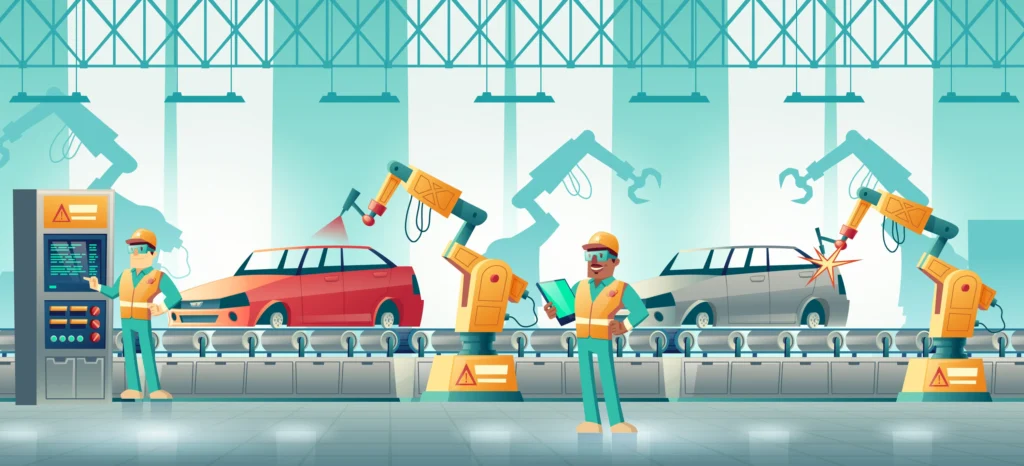
As we move through 2026, the manufacturing sector is experiencing an era of shrinking labor availability and rising supply chain costs. Packaging automation is reshaping end of line packaging operations by simplifying processes such as case packing, palletizing, labeling, and wrapping. Evolving from a competitive edge to operational necessity in modern manufacturing, Packaging automation is revolutionizing supply chain operations by integrating advanced robotics, automated case packers, palletizers, and smart wrap technology, modern facilities are removing final-stage bottlenecks to dramatically increase throughput, lower unit handling costs, and improve workplace safety. As we move through the high throughput competitive manufacturing landscape , packaging automation has become a strategic imperative as business spanning FMCG, pharmaceuticals, agro chemicals and many others are looking for ways to improve efficiency, reduce operational costs and maintain consistent product quality. As customer expectations continue to grow, the end of line packaging process significantly experiences operational bottlenecks and is difficult to sustain. And this is where exactly packaging automation has proved to be a game changing investment for manufacturers across diverse industries. Transitioning into full packaging automation by investing in automatic packaging machines and secondary packaging machines empowers manufacturing enterprises to improve their throughput by about 300% by streamlining production and ensuring speed, scalability and accuracy and achieving long-term labor cost optimization. We at Alligator Automations, have supported manufacturing enterprises across different industries by designing and manufacturing end of line packaging solutions since 2008. Our solutions are tailored to optimize every stage of the packaging process to transform manual processes into intelligent, reliable automated lines. This detailed guide discovers the key fundamentals of packaging automation technologies, its implementation and considerations, and future trends in packaging automation—tailored for decision-makers evaluating upgrades or new installations. What Is Packaging Automation? The term packaging automation refers to the application and integration of advanced and intelligent machinery, robotics systems, conveyors, sensors and software to automate primary, secondary, and tertiary packaging processes with minimal to zero human intervention. Rather relying on manual labor for tasks like to measure, count, group, bag, box, and palletize products, packaging automation encompasses automated systems to perform repetitive packaging tasks quickly and consistently. A complete packaging automation line may include: Product conveying systems Filling and dosing machines Labelling systems Cartoning machines Wrapping equipment Case packing systems Secondary packaging machines Palletising and depalletising solutions Automated inspection and quality control systems Modern manufacturing facilities are transitioning towards unified end of line automation by integrating PLCs, robotics, and IoT for real-time monitoring, precision, and adaptability, empowering them to achieve seamless workflows, handle multiple tasks simultaneously and guarantee consistent output quality while protecting profit margins. Why Packaging Automation Is Becoming Essential for B2B Operations: As the manufacturing environment continues to become more demanding with every passing day at the core of an efficient manufacturing line is a reliable automatic packaging machine. A packaging system that addresses difficulties and challenges while delivering substantial operational and financial advantages: Core Advantages of Modern Automatic Packaging Machines: Uninterrupted Operations (Maximum OEE): Automated packaging systems operate at a higher speed and accuracy repetitively when compared to manual labor. Unlike human team processes that require shift changes and breaks, automated packaging systems operate on a continuous loop at a higher speed maximizing Overall Equipment Effectiveness without compromising quality. It helps and supports manufacturing enterprises address challenges like labor shortages and improved employee safety at workplace and significant reduction in labor cost while reallocating staff to higher-value roles. Cost Reduction and Waste Minimization: Automated packaging systems integrate smart sensors and arrays to optimize material usage, precise filling/weighing, and reduced damage while packaging ensures every unit is compliant with strict regulations and quality requirements. Enhanced Workplace Safety and Hygiene: Automated packaging lines often involve heavy lifting tasks like stacking, sealing, and palletising which involves higher risk of workplace hazards especially when the manufacturing environments are volatile (e.g., ATEX-rated solutions for chemicals or petrochemicals). By shifting manual human intervention to automated systems helps businesses create safer working environments and eliminate workplace injuries. Mastering Secondary Packaging Machines: From Bag-in-Bag to Case Packing: One of the most critical links in automated packaging systems is your secondary packing machines. While the primary packaging contains the product directly, the secondary packing machines bundle the primary packaging into retail ready distribution units which are secure and ready to transport. Implementation of a secondary packaging unit plays a pivotal role in eliminating the hassle of manual grouping, baling, or cartoning. There are three key types of secondary packaging automation solutions. Refer to the table below to explore the main differences and solutions offered: Feature / Dimension Manual Packaging Semi-Automatic Secondary Packaging Machine Fully Automatic Secondary Packaging Machine Speed / Throughput Low (Limited by human capacity) Medium (15–40 primary units/min) High (Up to 150+ pouches/min infeed) Pouch Count Accuracy Prone to human error & miscounts High (assisted sensor verification) 99.9% Exact (Auto pouch counter + rejector) Floor Space Efficiency Large footprint for manual labor tables Moderate footprint Compact, vertically optimized footprint Labor Requirement High (5–12 workers per line) Low (1–2 supervisors per line) Minimal (1 central operator per zone) ERP & IoT Integration None (Manual logging) Basic batch tracking Real-time centralized data logging & cloud IoT An advanced secondary packaging machine helps manufacturers automate the process and ship high volumes of units while reducing handling time and increasing logistics efficiency. Check Alligator’s Secondary Packaging Solutions here. The Future of Packaging Automation: The future of packaging automation is driven by intelligent, sustainable and adaptive systems which lie at the intersection of artificial intelligence (AI) and goes far beyond basic mechanization. The automated packaging systems are becoming more smarter and advanced with every passing day by introduction of emerging technologies like artificial intelligence, machine vision, robotics, digital twins, and predictive analytics. As we pass through the year of 2026, automated packaging machines and secondary packing machines continue to evolve from purely mechanical lines to hyper connected networks that are supported by IoT and artificial intelligence that incorporates AI-driven predictive maintenance, real-time