
Test Demo Delete Later
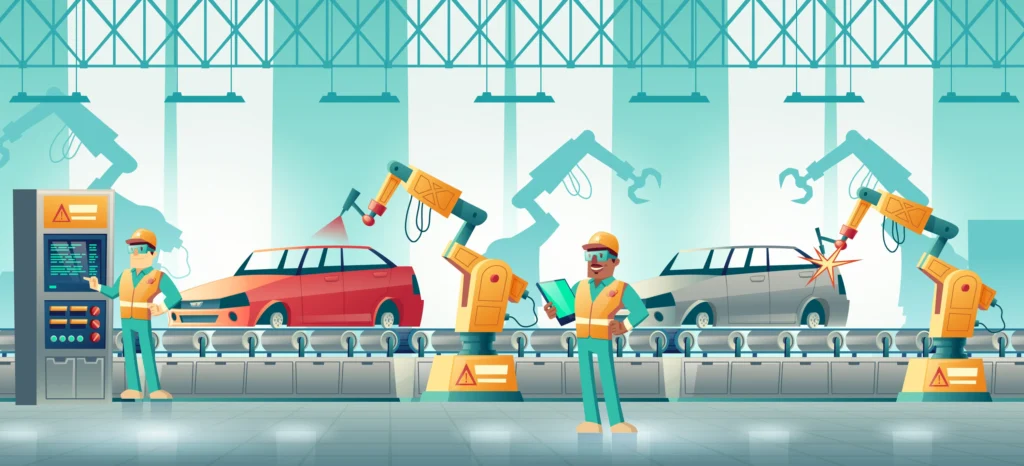
As we move through 2026, the manufacturing sector is experiencing an era of shrinking labor availability and rising supply chain costs. Packaging automation is reshaping end of line packaging operations by simplifying processes such as case packing, palletizing, labeling, and wrapping. Evolving from a competitive edge to operational necessity in modern manufacturing, Packaging automation is revolutionizing supply chain operations by integrating advanced robotics, automated case packers, palletizers, and smart wrap technology, modern facilities are removing final-stage bottlenecks to dramatically increase throughput, lower unit handling costs, and improve workplace safety. As we move through the high throughput competitive manufacturing landscape , packaging automation has become a strategic imperative as business spanning FMCG, pharmaceuticals, agro chemicals and many others are looking for ways to improve efficiency, reduce operational costs and maintain consistent product quality. As customer expectations continue to grow, the end of line packaging process significantly experiences operational bottlenecks and is difficult to sustain. And this is where exactly packaging automation has proved to be a game changing investment for manufacturers across diverse industries. Transitioning into full packaging automation by investing in automatic packaging machines and secondary packaging machines empowers manufacturing enterprises to improve their throughput by about 300% by streamlining production and ensuring speed, scalability and accuracy and achieving long-term labor cost optimization. We at Alligator Automations, have supported manufacturing enterprises across different industries by designing and manufacturing end of line packaging solutions since 2008. Our solutions are tailored to optimize every stage of the packaging process to transform manual processes into intelligent, reliable automated lines. This detailed guide discovers the key fundamentals of packaging automation technologies, its implementation and considerations, and future trends in packaging automation—tailored for decision-makers evaluating upgrades or new installations. What Is Packaging Automation? The term packaging automation refers to the application and integration of advanced and intelligent machinery, robotics systems, conveyors, sensors and software to automate primary, secondary, and tertiary packaging processes with minimal to zero human intervention. Rather relying on manual labor for tasks like to measure, count, group, bag, box, and palletize products, packaging automation encompasses automated systems to perform repetitive packaging tasks quickly and consistently. A complete packaging automation line may include: Product conveying systems Filling and dosing machines Labelling systems Cartoning machines Wrapping equipment Case packing systems Secondary packaging machines Palletising and depalletising solutions Automated inspection and quality control systems Modern manufacturing facilities are transitioning towards unified end of line automation by integrating PLCs, robotics, and IoT for real-time monitoring, precision, and adaptability, empowering them to achieve seamless workflows, handle multiple tasks simultaneously and guarantee consistent output quality while protecting profit margins. Why Packaging Automation Is Becoming Essential for B2B Operations: As the manufacturing environment continues to become more demanding with every passing day at the core of an efficient manufacturing line is a reliable automatic packaging machine. A packaging system that addresses difficulties and challenges while delivering substantial operational and financial advantages: Core Advantages of Modern Automatic Packaging Machines: Uninterrupted Operations (Maximum OEE): Automated packaging systems operate at a higher speed and accuracy repetitively when compared to manual labor. Unlike human team processes that require shift changes and breaks, automated packaging systems operate on a continuous loop at a higher speed maximizing Overall Equipment Effectiveness without compromising quality. It helps and supports manufacturing enterprises address challenges like labor shortages and improved employee safety at workplace and significant reduction in labor cost while reallocating staff to higher-value roles. Cost Reduction and Waste Minimization: Automated packaging systems integrate smart sensors and arrays to optimize material usage, precise filling/weighing, and reduced damage while packaging ensures every unit is compliant with strict regulations and quality requirements. Enhanced Workplace Safety and Hygiene: Automated packaging lines often involve heavy lifting tasks like stacking, sealing, and palletising which involves higher risk of workplace hazards especially when the manufacturing environments are volatile (e.g., ATEX-rated solutions for chemicals or petrochemicals). By shifting manual human intervention to automated systems helps businesses create safer working environments and eliminate workplace injuries. Mastering Secondary Packaging Machines: From Bag-in-Bag to Case Packing: One of the most critical links in automated packaging systems is your secondary packing machines. While the primary packaging contains the product directly, the secondary packing machines bundle the primary packaging into retail ready distribution units which are secure and ready to transport. Implementation of a secondary packaging unit plays a pivotal role in eliminating the hassle of manual grouping, baling, or cartoning. There are three key types of secondary packaging automation solutions. Refer to the table below to explore the main differences and solutions offered: Feature / Dimension Manual Packaging Semi-Automatic Secondary Packaging Machine Fully Automatic Secondary Packaging Machine Speed / Throughput Low (Limited by human capacity) Medium (15–40 primary units/min) High (Up to 150+ pouches/min infeed) Pouch Count Accuracy Prone to human error & miscounts High (assisted sensor verification) 99.9% Exact (Auto pouch counter + rejector) Floor Space Efficiency Large footprint for manual labor tables Moderate footprint Compact, vertically optimized footprint Labor Requirement High (5–12 workers per line) Low (1–2 supervisors per line) Minimal (1 central operator per zone) ERP & IoT Integration None (Manual logging) Basic batch tracking Real-time centralized data logging & cloud IoT An advanced secondary packaging machine helps manufacturers automate the process and ship high volumes of units while reducing handling time and increasing logistics efficiency. Check Alligator’s Secondary Packaging Solutions here.
How Packaging Automation Is Revolutionizing End-of-Line Operations: A Comprehensive B2B Guide:
As we move through 2026, the manufacturing sector is experiencing an era of shrinking labor availability and rising supply chain costs. Packaging automation is reshaping end of line packaging operations by simplifying processes such as case packing, palletizing, labeling, and wrapping. Evolving from a competitive edge to operational necessity in modern manufacturing, Packaging automation is revolutionizing supply chain operations by integrating advanced robotics, automated case packers, palletizers, and smart wrap technology, modern facilities are removing final-stage bottlenecks to dramatically increase throughput, lower unit handling costs, and improve workplace safety. As we move through the high throughput competitive manufacturing landscape , packaging automation has become a strategic imperative as business spanning FMCG, pharmaceuticals, agro chemicals and many others are looking for ways to improve efficiency, reduce operational costs and maintain consistent product quality. As customer expectations continue to grow, the end of line packaging process significantly experiences operational bottlenecks and is difficult to sustain. And this is where exactly packaging automation has proved to be a game changing investment for manufacturers across diverse industries. Transitioning into full packaging automation by investing in automatic packaging machines and secondary packaging machines empowers manufacturing enterprises to improve their throughput by about 300% by streamlining production and ensuring speed, scalability and accuracy and achieving long-term labor cost optimization. We at Alligator Automations, have supported manufacturing enterprises across different industries by designing and manufacturing end of line packaging solutions since 2008. Our solutions are tailored to optimize every stage of the packaging process to transform manual processes into intelligent, reliable automated lines. This detailed guide discovers the key fundamentals of packaging automation technologies, its implementation and considerations, and future trends in packaging automation—tailored for decision-makers evaluating upgrades or new installations. What Is Packaging Automation? The term packaging automation refers to the application and integration of advanced and intelligent machinery, robotics systems, conveyors, sensors and software to automate primary, secondary, and tertiary packaging processes with minimal to zero human intervention. Rather relying on manual labor for tasks like to measure, count, group, bag, box, and palletize products, packaging automation encompasses automated systems to perform repetitive packaging tasks quickly and consistently. A complete packaging automation line may include: Product conveying systems Filling and dosing machines Labelling systems Cartoning machines Wrapping equipment Case packing systems Secondary packaging machines Palletising and depalletising solutions Automated inspection and quality control systems Modern manufacturing facilities are transitioning towards unified end of line automation by integrating PLCs, robotics, and IoT for real-time monitoring, precision, and adaptability, empowering them to achieve seamless workflows, handle multiple tasks simultaneously and guarantee consistent output quality while protecting profit margins. Why Packaging Automation Is Becoming Essential for B2B Operations: As the manufacturing environment continues to become more demanding with every passing day at the core of an efficient manufacturing line is a reliable automatic packaging machine. A packaging system that addresses difficulties and challenges while delivering substantial operational and financial advantages: Core Advantages of Modern Automatic Packaging Machines: Uninterrupted Operations (Maximum OEE): Automated packaging systems operate at a higher speed and accuracy repetitively when compared to manual labor. Unlike human team processes that require shift changes and breaks, automated packaging systems operate on a continuous loop at a higher speed maximizing Overall Equipment Effectiveness without compromising quality. It helps and supports manufacturing enterprises address challenges like labor shortages and improved employee safety at workplace and significant reduction in labor cost while reallocating staff to higher-value roles. Cost Reduction and Waste Minimization: Automated packaging systems integrate smart sensors and arrays to optimize material usage, precise filling/weighing, and reduced damage while packaging ensures every unit is compliant with strict regulations and quality requirements. Enhanced Workplace Safety and Hygiene: Automated packaging lines often involve heavy lifting tasks like stacking, sealing, and palletising which involves higher risk of workplace hazards especially when the manufacturing environments are volatile (e.g., ATEX-rated solutions for chemicals or petrochemicals). By shifting manual human intervention to automated systems helps businesses create safer working environments and eliminate workplace injuries. Mastering Secondary Packaging Machines: From Bag-in-Bag to Case Packing: One of the most critical links in automated packaging systems is your secondary packing machines. While the primary packaging contains the product directly, the secondary packing machines bundle the primary packaging into retail ready distribution units which are secure and ready to transport. Implementation of a secondary packaging unit plays a pivotal role in eliminating the hassle of manual grouping, baling, or cartoning. There are three key types of secondary packaging automation solutions. Refer to the table below to explore the main differences and solutions offered: Feature / Dimension Manual Packaging Semi-Automatic Secondary Packaging Machine Fully Automatic Secondary Packaging Machine Speed / Throughput Low (Limited by human capacity) Medium (15–40 primary units/min) High (Up to 150+ pouches/min infeed) Pouch Count Accuracy Prone to human error & miscounts High (assisted sensor verification) 99.9% Exact (Auto pouch counter + rejector) Floor Space Efficiency Large footprint for manual labor tables Moderate footprint Compact, vertically optimized footprint Labor Requirement High (5–12 workers per line) Low (1–2 supervisors per line) Minimal (1 central operator per zone) ERP & IoT Integration None (Manual logging) Basic batch tracking Real-time centralized data logging & cloud IoT An advanced secondary packaging machine helps manufacturers automate the process and ship high volumes of units while reducing handling time and increasing logistics efficiency. Check Alligator’s Secondary Packaging Solutions here. The Future of Packaging Automation: The future of packaging automation is driven by intelligent, sustainable and adaptive systems which lie at the intersection of artificial intelligence (AI) and goes far beyond basic mechanization. The automated packaging systems are becoming more smarter and advanced with every passing day by introduction of emerging technologies like artificial intelligence, machine vision, robotics, digital twins, and predictive analytics. As we pass through the year of 2026, automated packaging machines and secondary packing machines continue to evolve from purely mechanical lines to hyper connected networks that are supported by IoT and artificial intelligence that incorporates AI-driven predictive maintenance, real-time
New Blog Post Design A
Box Packing Machine for Food Industry: Improve Speed, Hygiene & Productivity Author : Sheetal Choudhary Table of Contents Summary : A correctly specified box packing machine helps food manufacturers maintain consistent throughput, reduce manual product handling, and meet hygiene requirements across shifts. By integrating case packing with conveyors, palletising, and truck loading, plants can prevent downstream bottlenecks and improve end-of-line flow. A biscuit packing line at a food plant loses rhythm at six in the morning. The wrapper runs true, but three cartons downstream sit stacked out of count. A worker steps in by hand, and the line loses forty seconds it will not recover. The plant has quietly lost output to a box packing machine sized two steps too small for the line. Packaging speed on a food line usually gets blamed on the filler or the sealer. More often it breaks down one station later, where product waits to be boxed correctly and fast enough to keep moving. A box packing machine is an automated system that loads food products or cartons into shipping boxes at a fixed count and pattern. It is located between the primary line and the palletizer, and its accuracy determines whether speed and hygiene go hand in hand. Why Food Industry Packaging Lines Lose Speed and Hygiene Compliance Manual box packing is where food lines lose their edge first. A trained operator can fold forty cartons a minute in hour one. By hour six, fatigue slows that rate, and the last human touchpoint becomes the highest risk. That gap moves downstream fast. A slow box packing station leaves the palletizer waiting and pushes truck loading past its scheduled window, right as the finished product sits closest to dispatch. According to Towards Packaging, the global cartoning machines market will grow from USD 9.16 Billion in 2026 to USD 14.27 Billion by 2035, with the food & beverages segment being the largest end-user of cartoning machines. How a Box Packing Machine Solves Speed and Hygiene Simultaneously An automated box packing machine holds the same fold and seal rate in hour eight as hour one. That consistency is a core piece of food packaging automation, removing the highest contamination touchpoint. A ready-to-eat meal producer running twelve SKUs is a workable example. At thirty-five cartons a minute, one machine keeps pace with the sealer without operator intervention. Alligator Automations engineers box packing systems for this production reality, covering horizontal, vertical, and wrap-around formats within its secondary packaging range. Horizontal box packing machines load product side-on into pre-erected cases, suited to biscuits and bakery cartons. Vertical box packing machines form and fill boxes from above, a fit for pouches and loose products. Automatic Cartoning Machine units erect and seal cartons ahead of the boxing stage. What Types of Box Packing Machines Work Best in Food Production? The right box packing machine format depends on product fragility, case style, and how often the line changes SKU. Wrap around packers suit high-volume, single-format lines such as beverages. Robotic pick and place packers use vision guidance for fragile items. Case packer machine setups with servo heads switch pattern in minutes. Side load packers suit lightweight cartons, limiting damage. For a broader look at how box packing machines are engineered and where each configuration fits, see our detailed guide on What Is a Box Packing Machine? Types & Benefits in Secondary Packaging. How Do Case Packer Machines Compare to Automatic Cartoning Machines for Food Lines? A case packer machine loads finished cases for shipping, while an Automatic Cartoning Machine forms and seals the individual carton earlier in the same food packaging line. The two machines solve different problems on the same line. A cartoning unit takes loose or bagged product and folds it into a single retail carton, sealed and ready for shelf. A case packer then takes several of those finished cartons, or loose product, and loads them into the outer shipping case that moves toward palletizing. A dairy or supplement line often needs both stages back-to-back. Cartoning handles the primary pack close to the product, where hygiene rating and gentle handling matter most. The case packer downstream can run faster and heavier duty, since the product is already protected inside its retail carton by that point. Table 3: Case Packer Machine vs Automatic Cartoning Machine Factor Case Packer Machine Automatic Cartoning Machine Line position After primary pack, before palletizing Directly after filling or bagging Product handled Cartons, pouches, bottles into cases Loose product into a single carton Typical speed 20 to 40 cases per minute 60 to 150 cartons per minute Best fit Multi SKU secondary packaging Primary retail pack for food and dairy Choosing between them is rarely a real choice on a food line, since the two units usually sit in sequence rather than compete for the same job. The decision that matters is changeover speed and hygiene rating on each station, since a mismatch between the two stages creates the same bottleneck a single wrong specification would. Alligator Automations builds both categories within its secondary packaging range, so a food producer can specify a cartoning stage and a case packer from a single line partner instead of matching machines from separate vendors. That single-source approach keeps hygiene rating and controls consistent across both stations. How Do You Choose the Right Box Packing Machine for a Food Production Line? Three inputs decide the correct specification: cartons per minute, product fragility, and how often the line changes SKU or pack format. Throughput target sets the baseline, since fast lines need dedicated mechanical heads. Product handling needs to decide vacuum or gripper loading for bakery items. Case style must be confirmed early, since case types need different forms. Hygiene rating matters for washdown areas and food-grade cleaning. Getting this wrong shows up fast. A box packing machine specified below real throughput becomes the bottleneck within a shift, and the mismatch usually surfaces first at the palletizing solutions stage that depends on a steady case
Demo Blog Page
Box Packing Machine for Food Industry: Improve Speed, Hygiene & Productivity Author : Sheetal Choudhary Summary : A correctly specified box packing machine helps food manufacturers maintain consistent throughput, reduce manual product handling, and meet hygiene requirements across shifts. By integrating case packing with conveyors, palletising, and truck loading, plants can prevent downstream bottlenecks and improve end-of-line flow. A biscuit packing line at a food plant loses rhythm at six in the morning. The wrapper runs true, but three cartons downstream sit stacked out of count. A worker steps in by hand, and the line loses forty seconds it will not recover. The plant has quietly lost output to a box packing machine sized two steps too small for the line. Packaging speed on a food line usually gets blamed on the filler or the sealer. More often it breaks down one station later, where product waits to be boxed correctly and fast enough to keep moving. A box packing machine is an automated system that loads food products or cartons into shipping boxes at a fixed count and pattern. It is located between the primary line and the palletizer, and its accuracy determines whether speed and hygiene go hand in hand. Why Food Industry Packaging Lines Lose Speed and Hygiene Compliance Manual box packing is where food lines lose their edge first. A trained operator can fold forty cartons a minute in hour one. By hour six, fatigue slows that rate, and the last human touchpoint becomes the highest risk. That gap moves downstream fast. A slow box packing station leaves the palletizer waiting and pushes truck loading past its scheduled window, right as the finished product sits closest to dispatch. According to Towards Packaging, the global cartoning machines market will grow from USD 9.16 Billion in 2026 to USD 14.27 Billion by 2035, with the food & beverages segment being the largest end-user of cartoning machines. How a Box Packing Machine Solves Speed and Hygiene Simultaneously An automated box packing machine holds the same fold and seal rate in hour eight as hour one. That consistency is a core piece of food packaging automation, removing the highest contamination touchpoint. A ready-to-eat meal producer running twelve SKUs is a workable example. At thirty-five cartons a minute, one machine keeps pace with the sealer without operator intervention. Alligator Automations engineers box packing systems for this production reality, covering horizontal, vertical, and wrap-around formats within its secondary packaging range. Horizontal box packing machines load product side-on into pre-erected cases, suited to biscuits and bakery cartons. Vertical box packing machines form and fill boxes from above, a fit for pouches and loose products. Automatic Cartoning Machine units erect and seal cartons ahead of the boxing stage. What Types of Box Packing Machines Work Best in Food Production? The right box packing machine format depends on product fragility, case style, and how often the line changes SKU. Wrap around packers suit high-volume, single-format lines such as beverages. Robotic pick and place packers use vision guidance for fragile items. Case packer machine setups with servo heads switch pattern in minutes. Side load packers suit lightweight cartons, limiting damage. For a broader look at how box packing machines are engineered and where each configuration fits, see our detailed guide on What Is a Box Packing Machine? Types & Benefits in Secondary Packaging. How Do Case Packer Machines Compare to Automatic Cartoning Machines for Food Lines? A case packer machine loads finished cases for shipping, while an Automatic Cartoning Machine forms and seals the individual carton earlier in the same food packaging line. The two machines solve different problems on the same line. A cartoning unit takes loose or bagged product and folds it into a single retail carton, sealed and ready for shelf. A case packer then takes several of those finished cartons, or loose product, and loads them into the outer shipping case that moves toward palletizing. A dairy or supplement line often needs both stages back-to-back. Cartoning handles the primary pack close to the product, where hygiene rating and gentle handling matter most. The case packer downstream can run faster and heavier duty, since the product is already protected inside its retail carton by that point. Table 3: Case Packer Machine vs Automatic Cartoning Machine Factor Case Packer Machine Automatic Cartoning Machine Line position After primary pack, before palletizing Directly after filling or bagging Product handled Cartons, pouches, bottles into cases Loose product into a single carton Typical speed 20 to 40 cases per minute 60 to 150 cartons per minute Best fit Multi SKU secondary packaging Primary retail pack for food and dairy Choosing between them is rarely a real choice on a food line, since the two units usually sit in sequence rather than compete for the same job. The decision that matters is changeover speed and hygiene rating on each station, since a mismatch between the two stages creates the same bottleneck a single wrong specification would. Alligator Automations builds both categories within its secondary packaging range, so a food producer can specify a cartoning stage and a case packer from a single line partner instead of matching machines from separate vendors. That single-source approach keeps hygiene rating and controls consistent across both stations. How Do You Choose the Right Box Packing Machine for a Food Production Line? Three inputs decide the correct specification: cartons per minute, product fragility, and how often the line changes SKU or pack format. Throughput target sets the baseline, since fast lines need dedicated mechanical heads. Product handling needs to decide vacuum or gripper loading for bakery items. Case style must be confirmed early, since case types need different forms. Hygiene rating matters for washdown areas and food-grade cleaning. Getting this wrong shows up fast. A box packing machine specified below real throughput becomes the bottleneck within a shift, and the mismatch usually surfaces first at the palletizing solutions stage that depends on a steady case flow. One
Advantages of Using Roller Conveyor Systems in Material Handling
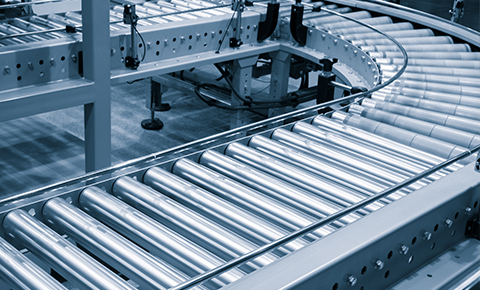
Advantages of Using Roller Conveyor Systems in Material Handling Injury risk and energy waste are two big, fixable costs in secondary packaging. In 2023, U.S. private industry reported 2.6 million nonfatal workplace injury and illness cases, according to the Bureau of Labor Statistics. Within the warehousing and storage sector, overexertion seems to be the leading cause of recordable injuries, making up nearly half of all cases, most often linked to manual lifting, repetitive handling, and unnecessary travel on the floor. Meanwhile, modern motor-driven roller (MDR) conveyors with zone control can cut conveyor energy use by 50 – 75% versus continuously running drives. Put simply: a well‑designed Roller Conveyor System moves the load, not your people, and it only runs when it needs to. Why Choose a Roller Conveyor System for Secondary Packaging? Roller conveyors are made for the space between end‑of‑line stations, checkweighers, case sealers, print‑and‑apply, palletizers, and stretch wrappers. A Roller Conveyor System gives you: Predictable flow without extra handling: Product travels at a governed pace, so downstream equipment sees a steady infeed. Modular growth: Add a spur, extend a run, or re‑route a corner without re‑engineering the entire line. Low life‑cycle cost: Fewer wear parts than comparable belt systems; with MDR, zones idle when empty, cutting power and noise. How Roller Conveyors Reduce Risk and Improve Throughput? Zero‑pressure accumulation (ZPA): Each zone senses a load and only releases it when the next zone is clear. Cartons don’t bump, labels stay readable, and fragile corners keep their shape. ZPA also lets you decouple upstream and downstream machines, so a short stop doesn’t ripple through the plant. Ergonomics by design: Instead of pushing pallets or carrying cases, operators supervise, replenish consumables, and handle exceptions. Moving the motion to rollers directly tackles the overexertion events that swell DART or DAFW numbers. Fewer micro‑stops: Consistent speed and alignment cut sensor faults and mispicks at tape heads, weighers, and palletizers, improving overall OEE. What to Specify in a Material Handling Roller Conveyor? Roller diameter and pitch: Match roller size (often 50–60 mm for cases; larger for heavy bags) and pitch so that at least three rollers support every item at all times. That prevents sag and keeps photo‑eyes honest. Drive method: Gravity roller for short, simple declines or manual picking. Line‑shaft for light, continuous loads where simple is best. MDR (24 V DC) with ZPA for energy savings, low noise, and fine zone control near printers, weighers, and palletizers. In secondary packaging, MDR is the current best practice around inspection and end‑of‑line. Controls that follow takt: Zone controllers report to the PLC; recipes on the HMI set speed, gap, and release logic to match downstream takt time. Guarding and safety: Side guards, under‑roller pinch‑point protection, and safe access at transfers keep audits simple without slowing recoveries. The Alligator Approach to the Roller Conveyor System Alligator Automations’ Roller Conveyor System is designed for one purpose: keeping your secondary packaging line running smoothly, without the peaks and dips that cost you time and money. MDR ZPA as standard: Every key section, from inspection, print‑and‑apply, to palletizing, gets motor‑driven roller zones with zero‑pressure accumulation. This means quiet operation, energy savings, and zero product collisions. Recipe‑ready controls: Our PLC/HMI interface lets you pre‑set speeds, gaps, and release logic by SKU. Changeovers are quick, accurate, and fully repeatable. Heavy‑duty modular frames: Made from powder‑coated steel with quick‑swap rollers and plug‑and‑play motor modules, so you can replace components in minutes without tools. Load capacity and flexibility: Rated for up to 100 kg per meter and configurable for bagged goods, cartons, and totes, with roller diameters sized to your products. Tight‑radius curves and compact supports: Engineered for brownfield layouts where every square foot counts. Seamless integration: Turnkey connections to case packers, checkweighers, labelers, and palletizers ensure your conveyor isn’t just a link; it’s part of one coordinated system. Conclusion A well‑built roller conveyor doesn’t just move product; it smooths out the entire end‑of‑line flow. By cutting overhandling and idle time while reducing energy draw and noise, Alligator’s system delivers steadier loading, cleaner transfers, and a calmer dispatch area. Facing line stoppages or uneven product flow? Let’s run a line‑balance check, size your accumulation zones, and design a roller conveyor system that works in lockstep with your palletizer. One supplier. One accountable, complete packing and bagging line by Alligator Automations! FAQs 1) What are the main advantages of using roller conveyors in material handling? Steady, zero‑pressure flow with fewer touches, lower energy use (with MDR), quieter operation, and modular growth that fits brownfield plants. 2) Are roller conveyors suitable for all types of materials? They work best with cartons, totes, cases, and bagged goods that have flat, reasonably rigid bottoms. Irregular or very soft items may need trays or a different conveyance method. 3) How do roller conveyors improve safety in material handling? They shift motion from people to controlled zones and add engineered guarding at pinch points, cutting the overexertion risks that drive many recordable injuries. 4) What types of roller conveyor systems are available? Gravity, line‑shaft, and MDR (24 V DC) zero‑pressure accumulation. MDR is preferred around inspection, labeling, and palletizing for energy savings and fine control.