
The Hidden Price of Picking the Wrong Conveyor
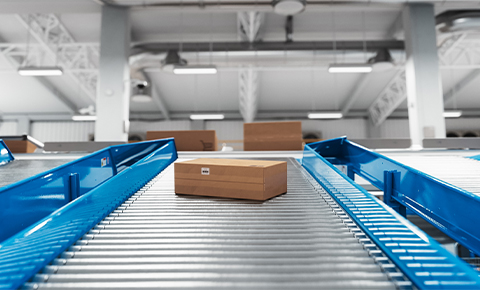
The Hidden Price of Picking the Wrong Conveyor Here’s the thing: every plant manager has, at some point, been tempted by a low-cost conveyor. On paper, it looks like a smart saving. But once it’s running, the cracks start to show. Frequent stoppages. Misalignment issues. Rollers are wearing out faster than expected. One hour of unplanned downtime can erase months of “savings” from that cheaper system. High-quality conveyors, on the other hand, are engineered for the long haul. They use tougher bearings, properly balanced rollers, and strong support frames that can take consistent loads without warping. You don’t keep repairing them; you keep running them. And that’s the difference between a plant that reacts to problems and one that stays ahead of them. What Conveyor Systems Actually Do – and Why They Matter A conveyor system isn’t just about moving boxes from Point A to B. It’s about creating a continuous, predictable flow that every other machine in your line depends on. The most prevalent configuration you’ll find in secondary packaging setups is the roller conveyor, which is a frame that holds a series of rollers, allowing cartons or bags to glide from station to station within the production environment. They can be powered or gravity-fed, depending on design and line speed. When the system is designed right, conveyors cut manual handling, reduce line bottlenecks, and protect finished goods from unnecessary contact or impact. Over time, that precision adds up to better throughput and less waste. The Payoff: Less Maintenance, More Uptime The advantages of a good conveyor system are less about being nice to have and more about making sense from a business perspective. Energy efficiency: Quality drives and motors consume less power for the same load. Less maintenance: Fewer moving parts fail because the tolerances are tighter and the materials are stronger. Higher safety: Smooth transitions and consistent speeds lower the risk of accidents. Predictable throughput: A steady flow means the rest of the automation line (case packers, palletizers, stretch wrappers) can keep pace. It’s not unusual for a high-grade conveyor to run for 10–15 years with regular upkeep, while low-end systems struggle to make it past seven. That’s not theory; it’s what maintenance logs across industries keep showing. Where Reliable Conveyors Make the Biggest Difference Different industries depend on conveyors for different reasons, but the pattern is the same: better systems mean fewer headaches. FMCG plants utilize conveyors to shuttle packed cartons between case packers, palletizers, and dispatch zones at consistent speeds. Food and beverage manufacturers use them to handle weight and ensure no-box movement during timed transfers. Pharmaceutical lines rely on precision and repeatability because a small stop can create a large effect on production schedules. E-commerce and logistics centers use them to maintain extremely high-speed order fulfillment while eliminating sorting delays associated with manual labor. In all of these situations, the conveyor is the overlooked hero keeping the whole process on an even keel. Things to Consider When Investing If you are considering a new printed circuit board (PCB) conveyor system or upgrading your existing one, think long-term. Initial building costs are an important consideration, but what’s more important is how your new conveyor system complements your overall line efficiency. Review the following: Material compatibility – Will the conveyor system safely move your product type and weight range? Integration – Does the conveyor system smoothly integrate with your other automation, like case packers or palletizers? Maintenance access – Are critical components accessible for inspection and maintenance? Energy design – Will the drive system reduce energy loss? Support – Do they provide after-sales support if you have a concern? We design and deliver complete end-of-line solutions that reduce time, space, and total long-term operating costs while all being built for performance that lasts. Good engineering is only half the story; reliable service completes it. Alligator Automations: Built for Real-World Efficiency At Alligator Automations, conveyor systems are designed for one goal: continuous, dependable operation. From roller conveyors and belt conveyors to intralogistic transfer systems, each setup is customized to the plant layout and production speed. Every system integrates seamlessly with our complete range of automation, bag filling machines, case packers, depalletizers, robotic palletizers, stretch wrappers, and automatic truck loading systems. Each solution is engineered to be cost-effective without compromising on quality, and every installation is backed by lifetime after-installation support because uptime should never be a question. Final Word A high-quality conveyor system doesn’t just move materials; it keeps your entire process stable, efficient, and scalable. The difference between a line that runs and one that thrives often comes down to the quality of what connects it all, the conveyors. We create and supply end-of-line solutions that maximize time, space, and long-term operational expenses – designed for lasting performance. FAQs Why are high-quality conveyor systems a better investment?High-quality systems last longer, break down less, and run consistently, providing a better return on investment (ROI) over time. How do high-quality conveyor systems reduce maintenance expenses?They utilize high-quality precision parts, which are proven to resist wear, which in turn means you will spend less time and money replacing parts and servicing the conveyor system. Which industries gain the most value from high-quality conveyor systems?FMCG, Food & Beverage, Pharmaceuticals, Logistics – any industry that relies on higher throughput. How do higher-quality conveyor systems increase productivity?The systems will reduce the reliance on manual handling by automating the product transfer and ensuring a smooth flow of products throughout the production process. What are the best questions to consider before investing in a conveyor system?Load type, integration, maintenance, energy consumption, and product supplier support.
What is a Roller Conveyor System? How Does it Work?

What is a Roller Conveyor System? How Does it Work? Walk into any modern factory and you’ll see conveyors doing the heavy lifting. They’re not flashy, but they keep goods moving; without them, most lines would stall. The demand for conveyors is only rising. Industry studies suggest the conveyor system market could cross USD 12.6 billion by 2032 (Source), and roller conveyors form a big part of that story. Why roller conveyors? Because they’re sturdy, adaptable, and designed to handle everything from small cartons to bulky pallets in secondary packaging lines. What Is a Roller Conveyor System? Think of it as a simple frame with a series of rollers lined up. Place a carton on top, and it moves forward, either by gravity or with the help of powered drives. That’s the basic idea. It is not the simplicity that has made roller conveyors a big part of packaging and distribution. It is the flexibility. Unlike belt conveyors, designed with one consistent moving surface, rollers simply carry the load. This makes them more dependable and robust when dealing with rigid, heavy products that rely on proper distribution. How Do Roller Conveyor Systems Operate? There are two types of systems: Gravity Roller Conveyors: They do not require motors. Simply put a small slope on the roller conveyor, and gravity takes care of the rest.Alligator Automations designs are built for heavy-duty performance, with robust frames and optimized roller spacing, so cartons can move freely without sudden stop-and-go moments. Gravity roller conveyors are used where power is either not suitable or not needed, such as in accumulation zones or in transfer zones, or if packages need to keep flowing. Powered Roller Conveyors: In this design, the rollers are powered in some way. It can be through a belt system, a chain system, or a roller driven by an electric motor. Alligator provides both chain-driven and motorized roller conveyor options, giving end-users more control over speed and flow. These are the conveyors that link seamlessly with palletizers, case packers, or sortation systems. Their build quality allows them to run continuously, even with heavy-duty loads. The most advantageous aspect of both varieties is their modularity. Straight runs, curves, and merges; use them in any combination as the situation requires. Also, if your plant layout changes down the road, you can modify sections instead of removing and replacing sections. Gravity vs Powered: What’s the Difference? Here’s a quick comparison to highlight the strengths of each system: Feature Gravity Roller Conveyor Powered Roller Conveyor Energy Use No external power, relies on the slope Requires motor or chain drive Flow Control Limited, product speed depends on the incline Full control over speed and accumulation Load Handling Suited for light to medium loads Handles everything up to heavy pallets Integration Works as a standalone or storage transfer Integrates with automated packaging lines Maintenance Very low Moderate (due to motorized components) Points to Weigh Before Choosing a Roller Conveyor Every operation is different, and picking the right system makes a big difference to long-term efficiency. There are a couple of considerations to keep in mind: Load Capacity: Each roller has a load capacity associated with it. If you overestimate your “average” load, you could experience bent rollers, increased downtime, or increased costs. Always center the rating on the heaviest product you will move. Roller Material: Steel is reliable; stainless steel works best for humid or washdown environments; rollers with coatings lower friction created by misalignment and will reduce scuff marks on printed cartons. Drive Method: Gravity saves power and is simple to maintain, but powered conveyors give you the accuracy and integration most automated plants now need. The choice often comes down to whether the line is manual, semi-automated, or fully automated. Layout: Straight runs are relatively easy to design a solution for. However, many plants will require curves, merges, or accumulation zones. Properly thought through, the layout will prevent bottlenecks and provide adequate space to allow operators to move around safely. Integration: Finally, today’s conveyors rarely run independently of other systems. A conveyor must work as part of a system with case packers, palletizers, and, in some cases, automated storage. Choosing to implement a system designed for integration saves time, resulting in better downtime and smooth transitions of product through the packing process into the warehouse. Why Conveyors Matter in Packaging? A roller conveyor system is more than just a means of moving cartons or bags from point A to point B. It is the lifeblood of plant flow. Gravity conveyors give a low-cost, reliable option, while powered solutions allow for control and speed in slower, complicated lines. Leverage a combination of these types of conveyors to minimize manual handling, reduce errors, and keep production flowing. At Alligator Automations, roller conveyors provide solutions to complement an entire system you may need. It is part of their complete secondary packaging palletizing, case packing, and end-to-end offer. What they offer is straightforward: one partner, one integrated system, and a flow of operations from end to end. Ready to upgrade your line? Reach out to us to build a conveyor system that will stand the test of time. FAQs 1) What is a roller conveyor system? A roller conveyor system is a conveyor that is constructed from rollers supported on a frame that moves goods using either gravity or powered drives. 2) How does a roller conveyor system work? The action of rotating the roller allows products to move along the roller conveyor. The rollers can move on a slope with gravity, or be powered by a roller with a motor or chain. 3) What types of roller conveyor systems are there? The main types of roller conveyor systems are gravity roller conveyors and powered roller conveyors, which can be chain-driven or motorized. 4) Where are roller conveyor systems commonly used? A roller conveyor system can be found in secondary packaging, logistical companies, automotive, warehouse, or distribution centers. 5) Can roller conveyors move heavier loads? Yes. Powered roller conveyors are built