How Packaging Automation Is Revolutionizing End-of-Line Operations: A Comprehensive B2B Guide:

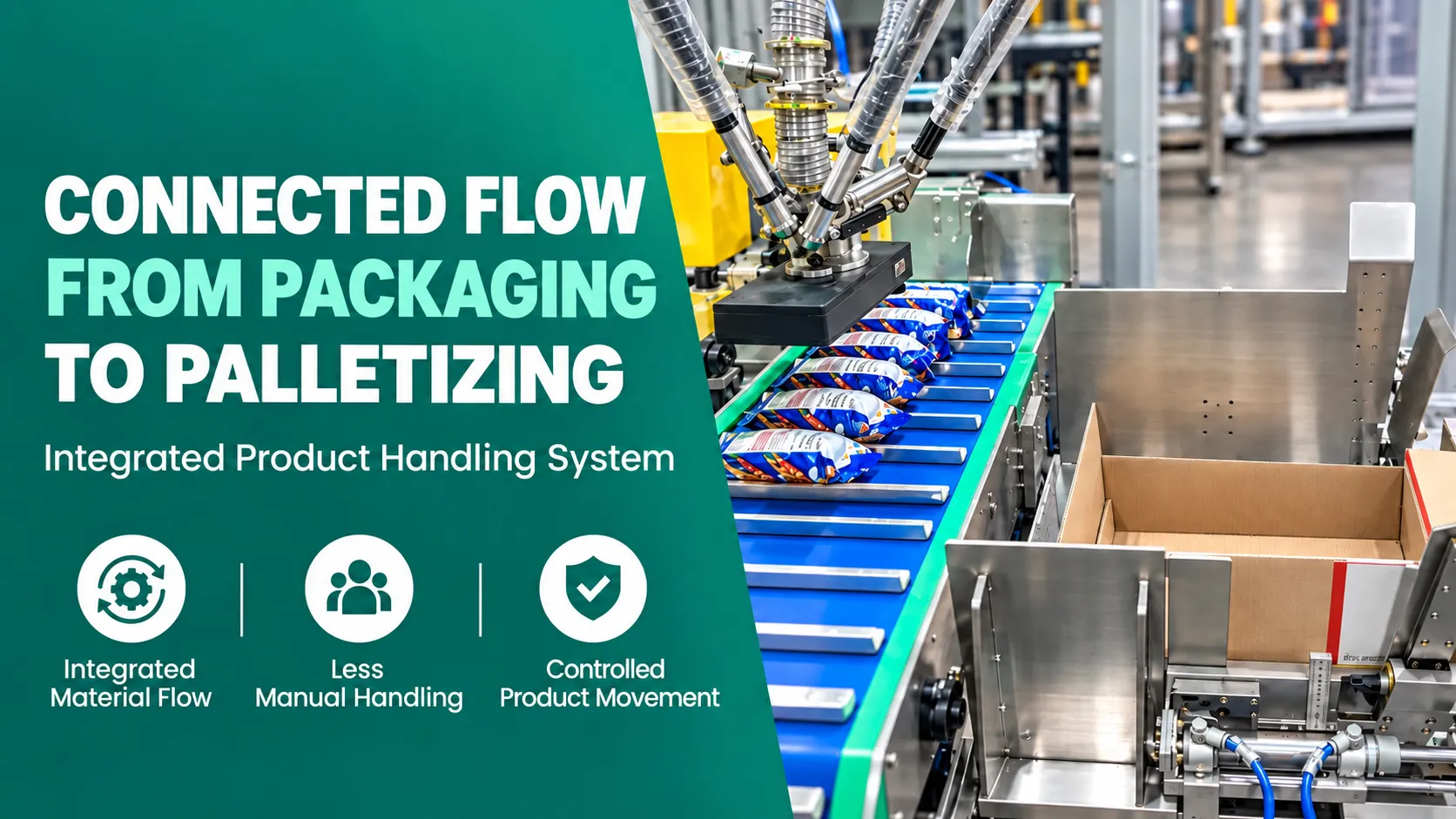
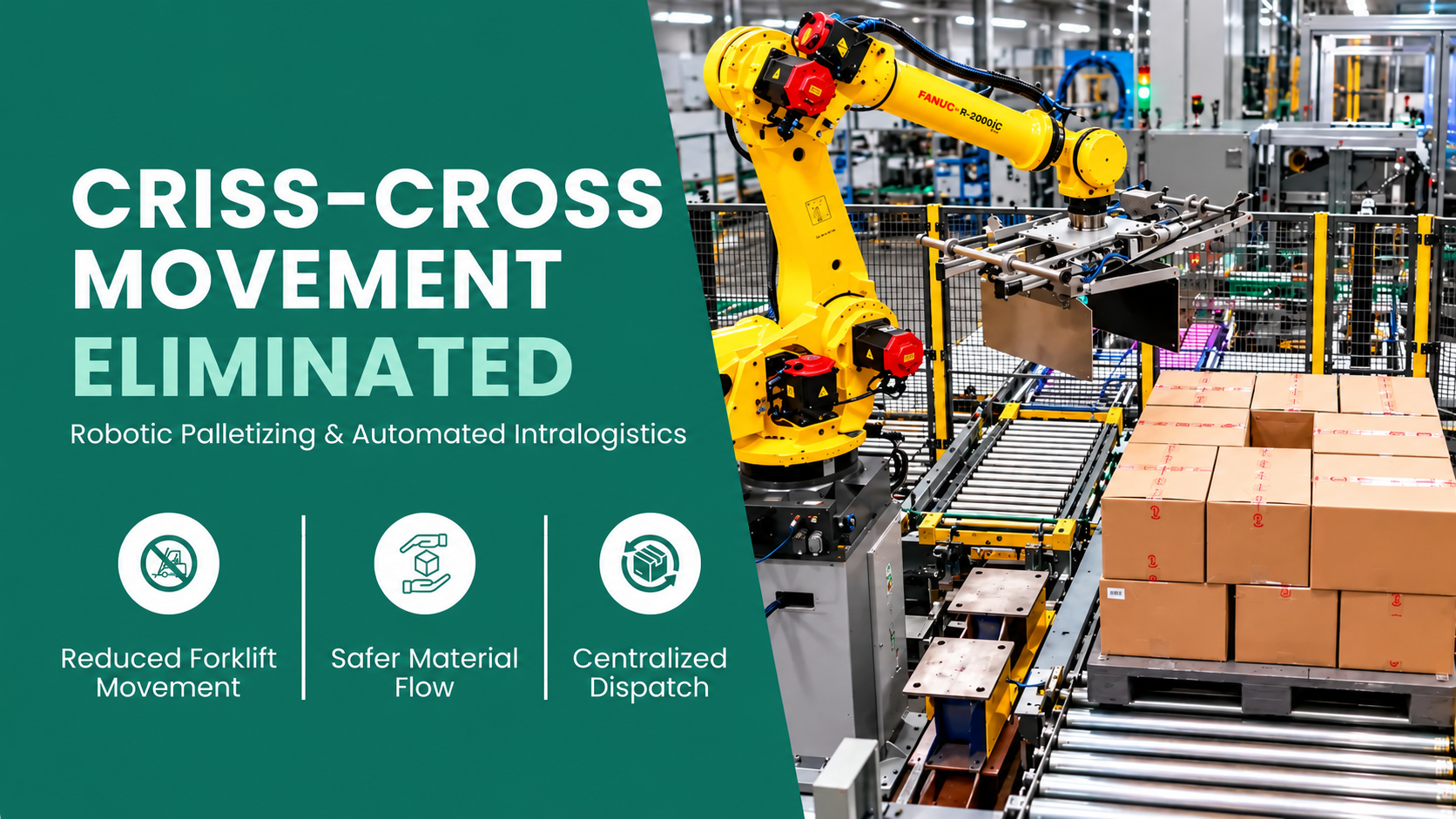
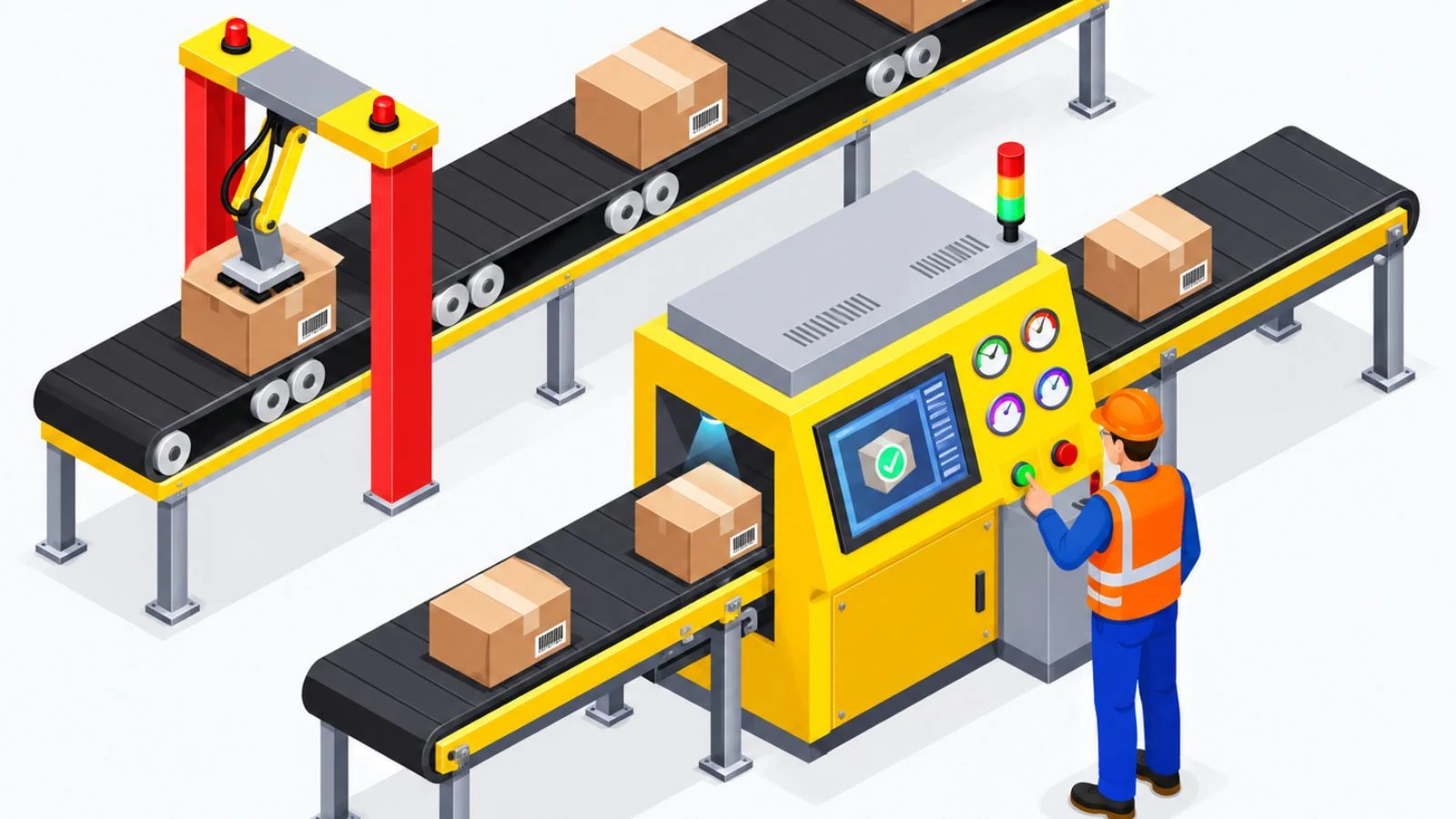
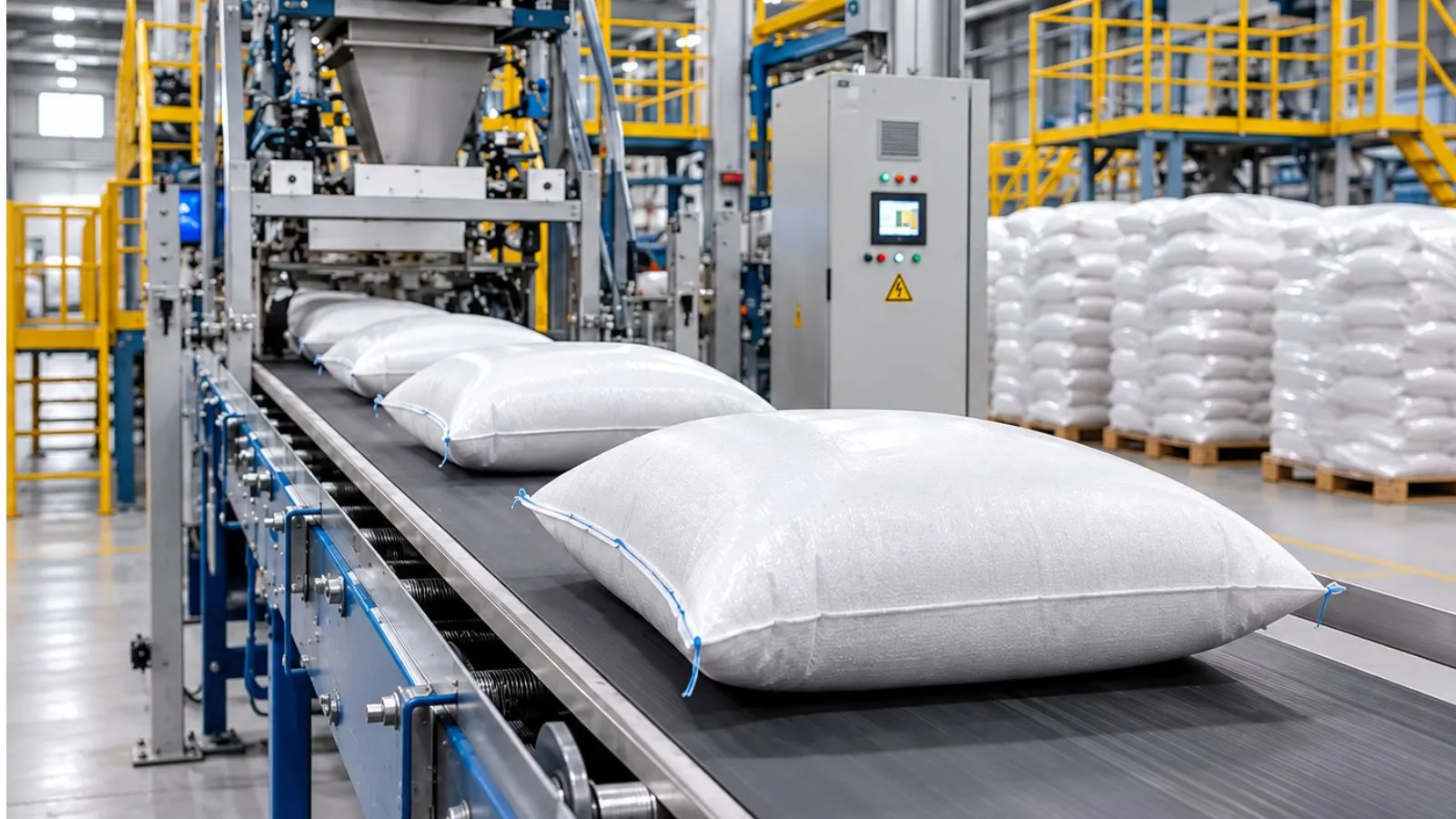
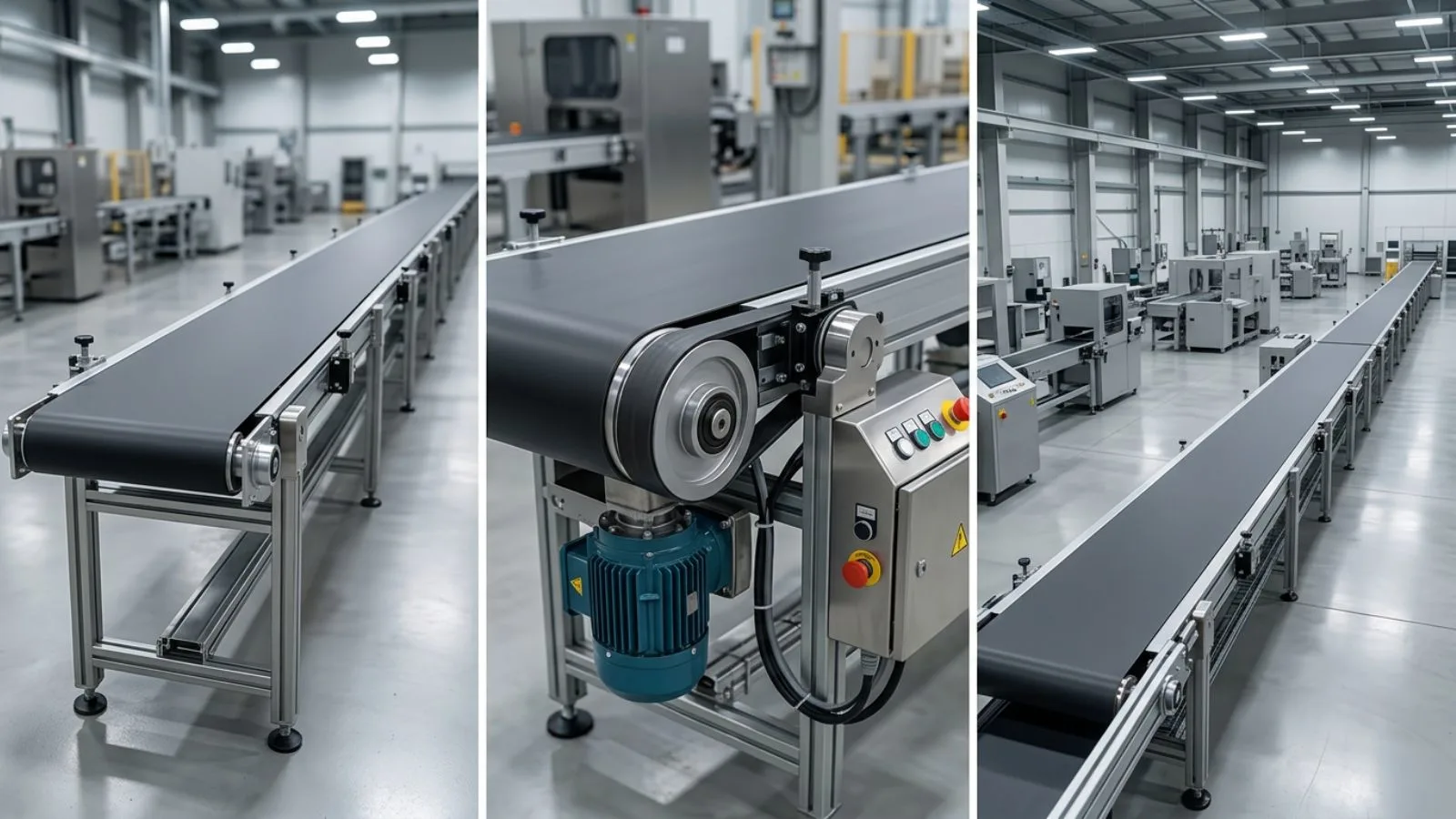
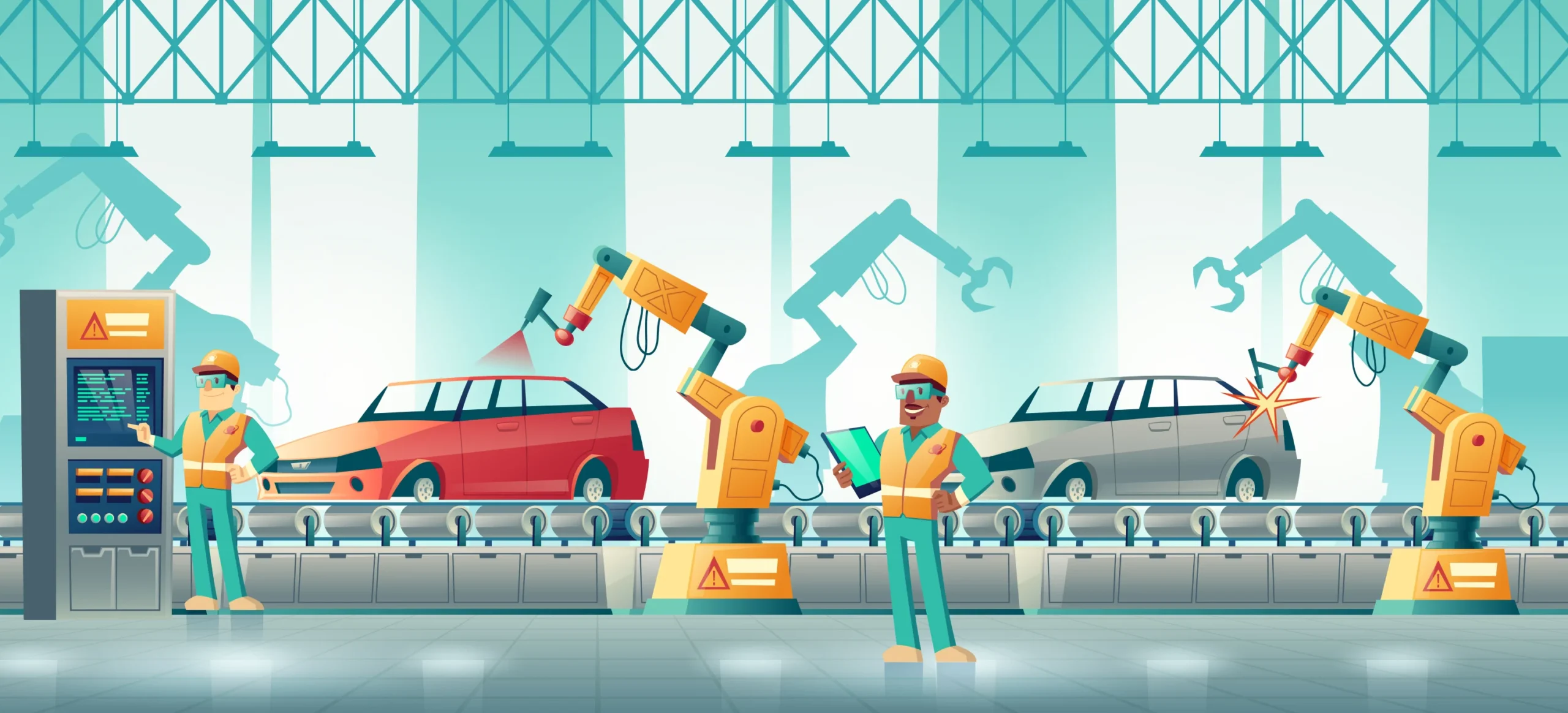
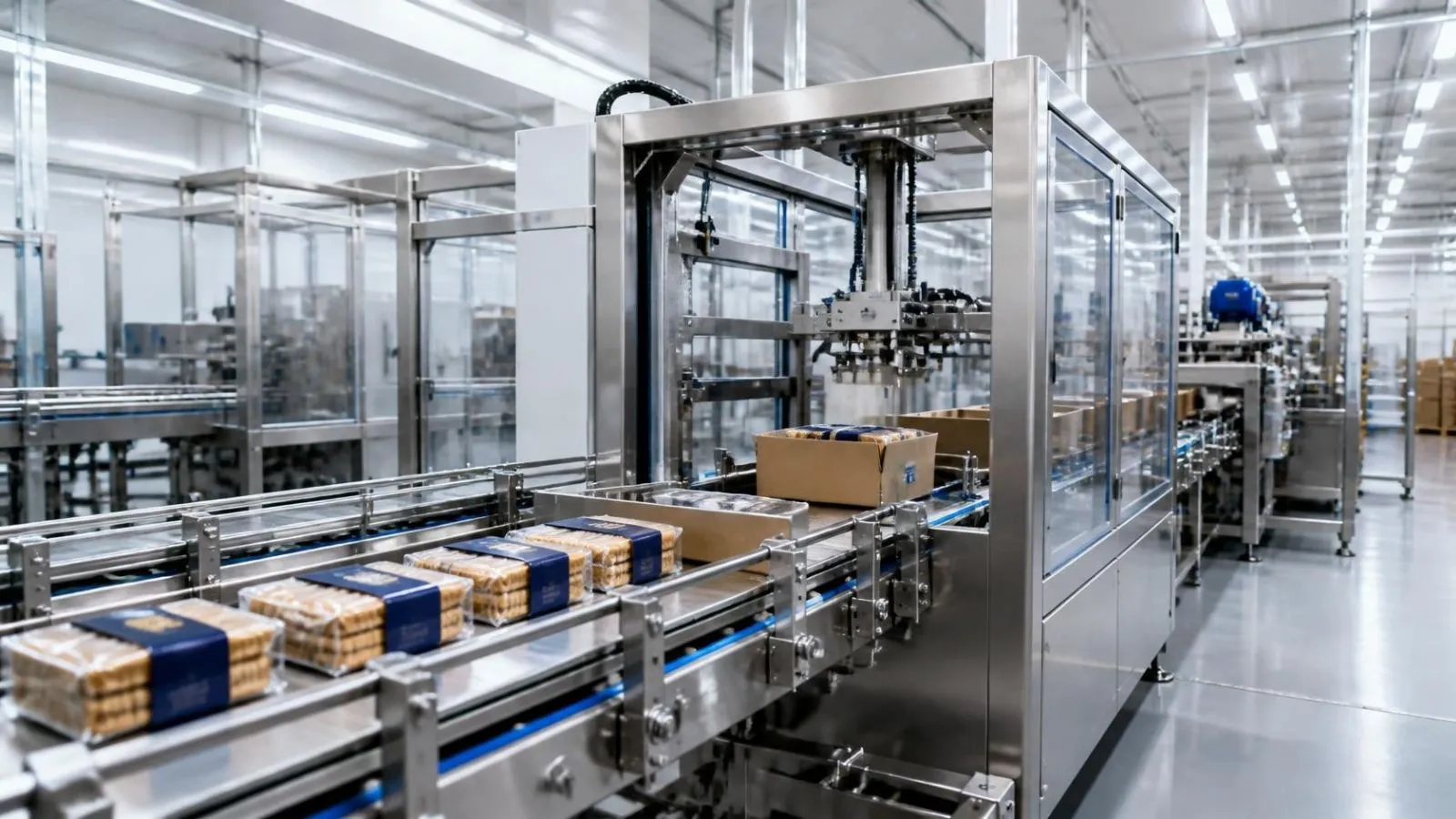
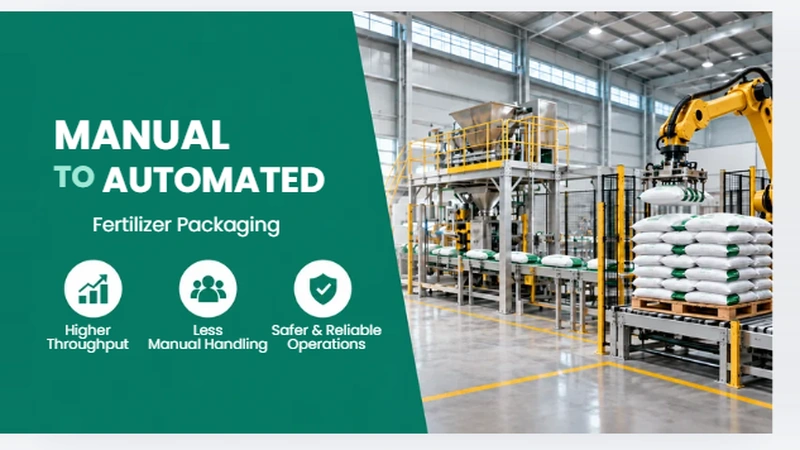
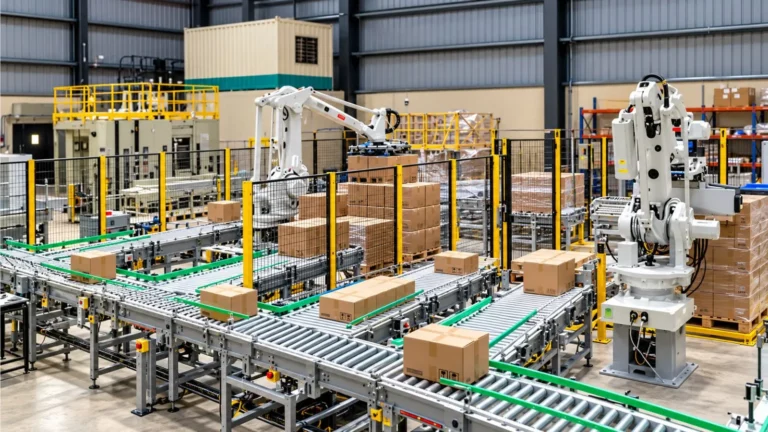
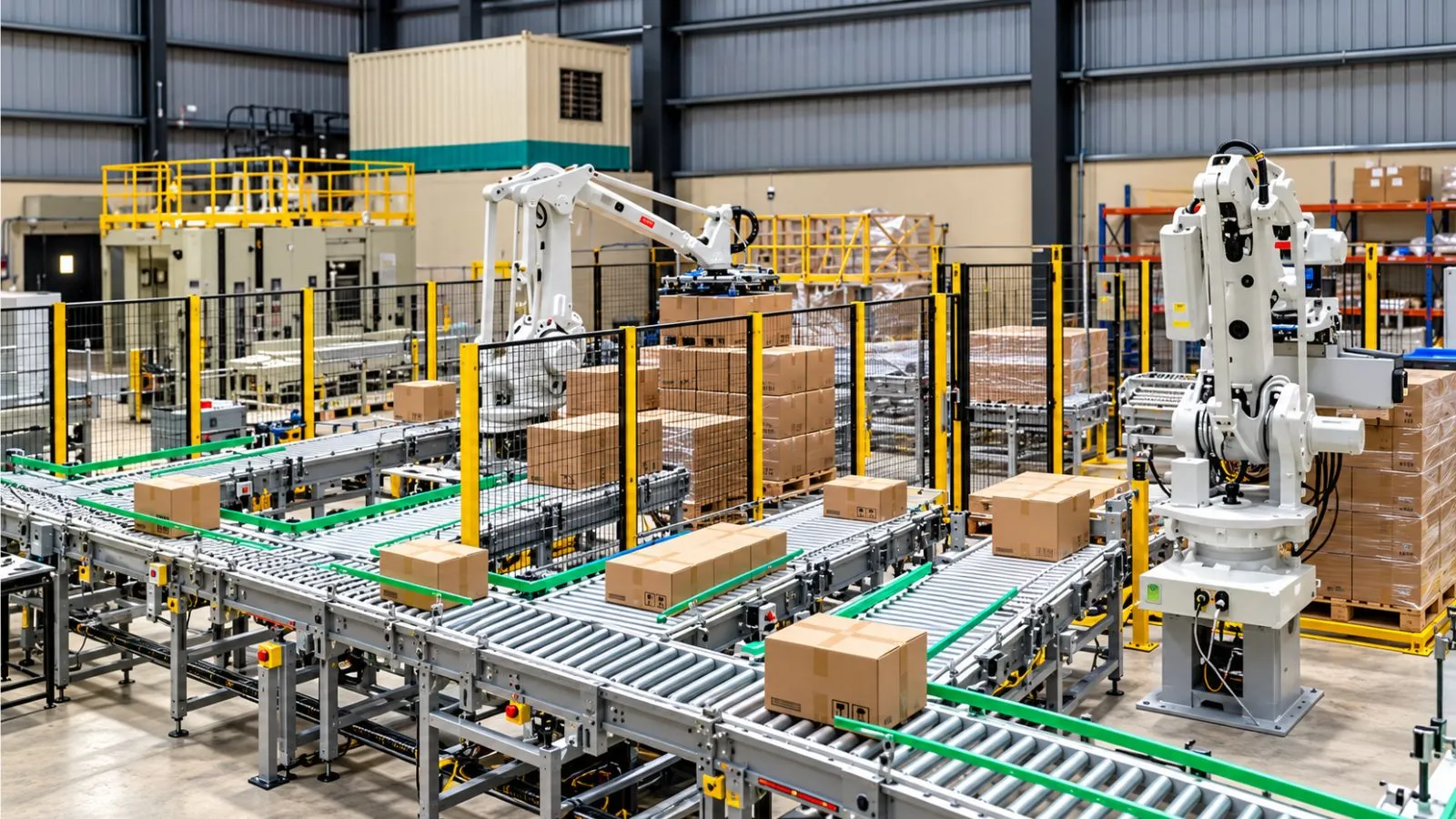
As we move through 2026, the manufacturing sector is experiencing an era of shrinking labor availability and rising supply chain costs. Packaging automation is reshaping end of line packaging operations by simplifying processes such as case packing, palletizing, labeling, and wrapping. Evolving from a competitive edge to operational necessity in modern manufacturing, Packaging automation is revolutionizing supply chain operations by integrating advanced robotics, automated case packers, palletizers, and smart wrap technology, modern facilities are removing final-stage bottlenecks to dramatically increase throughput, lower unit handling costs, and improve workplace safety. As we move through the high throughput competitive manufacturing landscape , packaging automation has become a strategic imperative as business spanning FMCG, pharmaceuticals, agro chemicals and many others are looking for ways to improve efficiency, reduce operational costs and maintain consistent product quality. As customer expectations continue to grow, the end of line packaging process significantly experiences operational bottlenecks and is difficult to sustain. And this is where exactly packaging automation has proved to be a game changing investment for manufacturers across diverse industries. Transitioning into full packaging automation by investing in automatic packaging machines and secondary packaging machines empowers manufacturing enterprises to improve their throughput by about 300% by streamlining production and ensuring speed, scalability and accuracy and achieving long-term labor cost optimization. We at Alligator Automations, have supported manufacturing enterprises across different industries by designing and manufacturing end of line packaging solutions since 2008. Our solutions are tailored to optimize every stage of the packaging process to transform manual processes into intelligent, reliable automated lines. This detailed guide discovers the key fundamentals of packaging automation technologies, its implementation and considerations, and future trends in packaging automation—tailored for decision-makers evaluating upgrades or new installations. What Is Packaging Automation? The term packaging automation refers to the application and integration of advanced and intelligent machinery, robotics systems, conveyors, sensors and software to automate primary, secondary, and tertiary packaging processes with minimal to zero human intervention. Rather relying on manual labor for tasks like to measure, count, group, bag, box, and palletize products, packaging automation encompasses automated systems to perform repetitive packaging tasks quickly and consistently. A complete packaging automation line may include: Product conveying systems Filling and dosing machines Labelling systems Cartoning machines Wrapping equipment Case packing systems Secondary packaging machines Palletising and depalletising solutions Automated inspection and quality control systems Modern manufacturing facilities are transitioning towards unified end of line automation by integrating PLCs, robotics, and IoT for real-time monitoring, precision, and adaptability, empowering them to achieve seamless workflows, handle multiple tasks simultaneously and guarantee consistent output quality while protecting profit margins. Why Packaging Automation Is Becoming Essential for B2B Operations: As the manufacturing environment continues to become more demanding with every passing day at the core of an efficient manufacturing line is a reliable automatic packaging machine. A packaging system that addresses difficulties and challenges while delivering substantial operational and financial advantages: Core Advantages of Modern Automatic Packaging Machines: Uninterrupted Operations (Maximum OEE): Automated packaging systems operate at a higher speed and accuracy repetitively when compared to manual labor. Unlike human team processes that require shift changes and breaks, automated packaging systems operate on a continuous loop at a higher speed maximizing Overall Equipment Effectiveness without compromising quality. It helps and supports manufacturing enterprises address challenges like labor shortages and improved employee safety at workplace and significant reduction in labor cost while reallocating staff to higher-value roles. Cost Reduction and Waste Minimization: Automated packaging systems integrate smart sensors and arrays to optimize material usage, precise filling/weighing, and reduced damage while packaging ensures every unit is compliant with strict regulations and quality requirements. Enhanced Workplace Safety and Hygiene: Automated packaging lines often involve heavy lifting tasks like stacking, sealing, and palletising which involves higher risk of workplace hazards especially when the manufacturing environments are volatile (e.g., ATEX-rated solutions for chemicals or petrochemicals). By shifting manual human intervention to automated systems helps businesses create safer working environments and eliminate workplace injuries. Mastering Secondary Packaging Machines: From Bag-in-Bag to Case Packing: One of the most critical links in automated packaging systems is your secondary packing machines. While the primary packaging contains the product directly, the secondary packing machines bundle the primary packaging into retail ready distribution units which are secure and ready to transport. Implementation of a secondary packaging unit plays a pivotal role in eliminating the hassle of manual grouping, baling, or cartoning. There are three key types of secondary packaging automation solutions. Refer to the table below to explore the main differences and solutions offered: Feature / Dimension Manual Packaging Semi-Automatic Secondary Packaging Machine Fully Automatic Secondary Packaging Machine Speed / Throughput Low (Limited by human capacity) Medium (15–40 primary units/min) High (Up to 150+ pouches/min infeed) Pouch Count Accuracy Prone to human error & miscounts High (assisted sensor verification) 99.9% Exact (Auto pouch counter + rejector) Floor Space Efficiency Large footprint for manual labor tables Moderate footprint Compact, vertically optimized footprint Labor Requirement High (5–12 workers per line) Low (1–2 supervisors per line) Minimal (1 central operator per zone) ERP & IoT Integration None (Manual logging) Basic batch tracking Real-time centralized data logging & cloud IoT An advanced secondary packaging machine helps manufacturers automate the process and ship high volumes of units while reducing handling time and increasing logistics efficiency. Check Alligator’s Secondary Packaging Solutions here. The Future of Packaging Automation: The future of packaging automation is driven by intelligent, sustainable and adaptive systems which lie at the intersection of artificial intelligence (AI) and goes far beyond basic mechanization. The automated packaging systems are becoming more smarter and advanced with every passing day by introduction of emerging technologies like artificial intelligence, machine vision, robotics, digital twins, and predictive analytics. As we pass through the year of 2026, automated packaging machines and secondary packing machines continue to evolve from purely mechanical lines to hyper connected networks that are supported by IoT and artificial intelligence that incorporates AI-driven predictive maintenance, real-time
How Automated Packaging is Helping Frozen Food Brands Stay Competitive

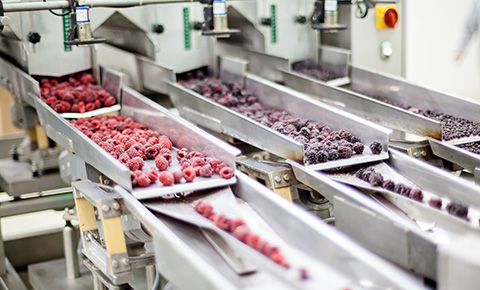
How Automated Packaging is Helping Frozen Food Brands Stay Competitive The frozen food industry is on the rise, and it is pretty clear why. Busy lifestyles, the rise of convenience dining, and the demand for long-lasting, high-quality products have turned frozen food into a household favourite globally. However, there is a lot of work behind the scenes that can make or break a brand. Almost every modern approach to frozen food packaging is focused on brand marketing – it is not just an advertisement; it is a means to convey quality, secure the product, and live the brand promise. With these emerging challenges, packaging automation has evolved as the go-to solution for brands wanting to win the race. With the incorporation of new technologies like frozen food packaging machines, companies are already addressing the specific requirements of frozen goods packaging while significantly lowering expenses and increasing overall productivity. Let`s take a look at how packaging automation solutions from Alligator Automations is revolutionizing the packaging solutions for frozen foods. Benefits of Automated Packaging Solutions For Frozen Food Brands :- 1] Increased Productivity and Operational Efficiency: Perhaps the most crucial impact of frozen food packaging automation is the ability to increase production speeds. Automated packaging systems do not require human interaction, which enables companies to easily process various types of frozen food in a very short period of time. Lessens downtime and enhances production capacities. Ensures faster turnaround times to meet consumer demand. Improves the complete operational workflow. 2] Packaging Consistency: Consistency is vital in the frozen food industry, where the appearance and quality of the product have a direct impact on sales. Frozen food packaging machines are designed to prevent errors that occur due to reliance on manual labour, as all frozen foods are labelled and sealed correctly. Decrease product weight variation by accurate portioning. Precise sealing techniques to prevent freezer burn and spoilage. Accurate labelling ensures compliance and branding. 3] Cost-effective and Reduced Labor Dependence: Eliminating labour in the frozen food packaging process dramatically reduces long-term costs. Although packaging automation might appear to be expensive at first, the cost of investment significantly reduces with increased accuracy, reduced labour costs, and greater output. Reduced requirement for the human workforce in packaging. Decreased product wastage due to accurate portioning and sealing. Lower operational costs through optimized resource utilization 4] Improved Hygiene and Food Safety Compliance: Ensuring food safety is critical in the frozen food sector, and automated packaging aids in meeting hygienic requirements. By reducing human contact with products, packaging solutions for frozen foods significantly lower the risk of contamination. Ensures strict global health safety measures are met. Reduces the chances of bacterial contamination. Guarantees product freshness and longer shelf life. 5] Environmental and Waste Reduction: Sustainable practices are a critical focus area for frozen food brands. Packaging automation allows companies to use eco-friendly materials efficiently while reducing packaging waste. Optimized material usage reduces excess packaging waste. Eco-friendly packaging options reduce environmental impact. Improved logistics and storage efficiency lower carbon footprint. Common uses of Automated Packaging in the Frozen Food Industry :-Automated frozen food packaging machines are used across various frozen food categories, including: Frozen Vegetables & Fruits: Vacuum-sealed and portion-packed to retain freshness. Frozen Meat & Seafood: High-precision packaging to prevent freezer burn. Frozen Ready-to-Eat Meals: Automated portioning, sealing, and labelling for convenience foods. Frozen Bakery & Desserts: Secure packaging to maintain texture and flavour. The Alligator Automations Edge: When it comes to packaging solutions for frozen foods, Alligator Automations stands out. Our frozen food packaging machines are built for the real world, tackling the most demanding challenges of frozen goods packaging with ease. From robotic palletizing to automatic truck loading, our solutions are designed to optimize every step of the packaging process. We even offer custom configurations to fit specific production needs, ensuring brands get precisely what they need to succeed. The frozen food market isn’t cooling down, nor should your brand. Packaging automation is more than a trend. Whether it’s improving safety, cutting costs, or meeting sustainability goals, solutions from Alligator Automations are helping brands stay competitive in a crowded space. Don’t get left behind. Contact us today. FAQs:1] What is frozen food packaging, and why is it important for food brands?Frozen food packaging refers to specialized packaging designed to preserve the freshness, quality, and safety of frozen products. It prevents freezer burn, extends shelf life, and ensures product integrity during storage and transportation. 2] How does packaging automation benefit frozen food brands?Packaging automation enhances efficiency, reduces labour costs, ensures consistent packaging quality, and improves food safety by minimizing human contact with products. 3] What are the latest advancements in frozen food packaging machines?Modern frozen food packaging machines feature AI-driven automation, eco-friendly materials, high-speed sealing, and innovative labelling technology for improved efficiency and sustainability. 4] How do frozen goods packaging machines improve product safety?Frozen goods packaging machines ensure airtight sealing, precise portioning, and contamination-free handling, maintaining hygiene and food safety standards. Alligator Automations provides advanced solutions to enhance product protection and efficiency.