How Packaging Automation Is Revolutionizing End-of-Line Operations: A Comprehensive B2B Guide:

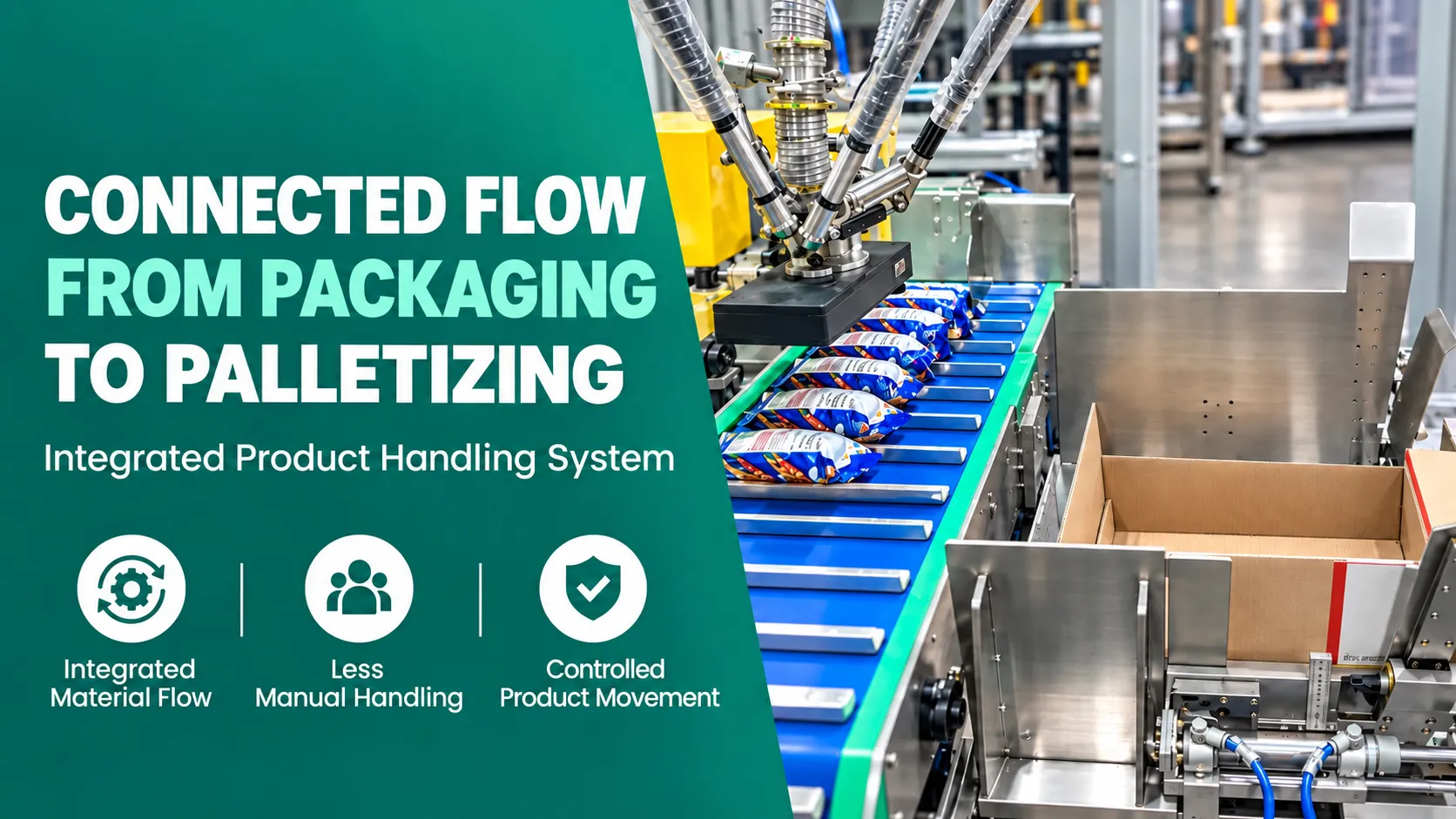
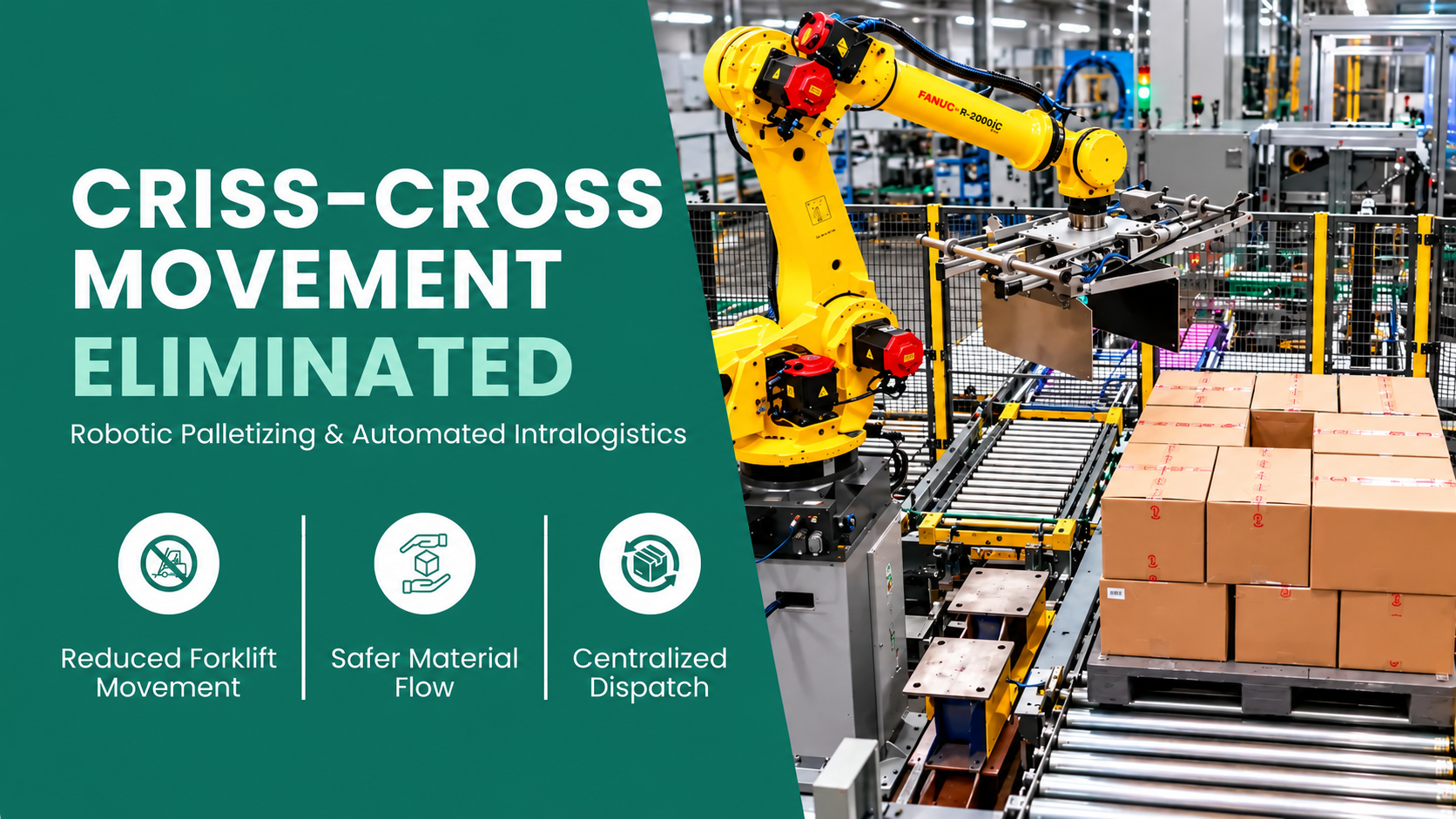
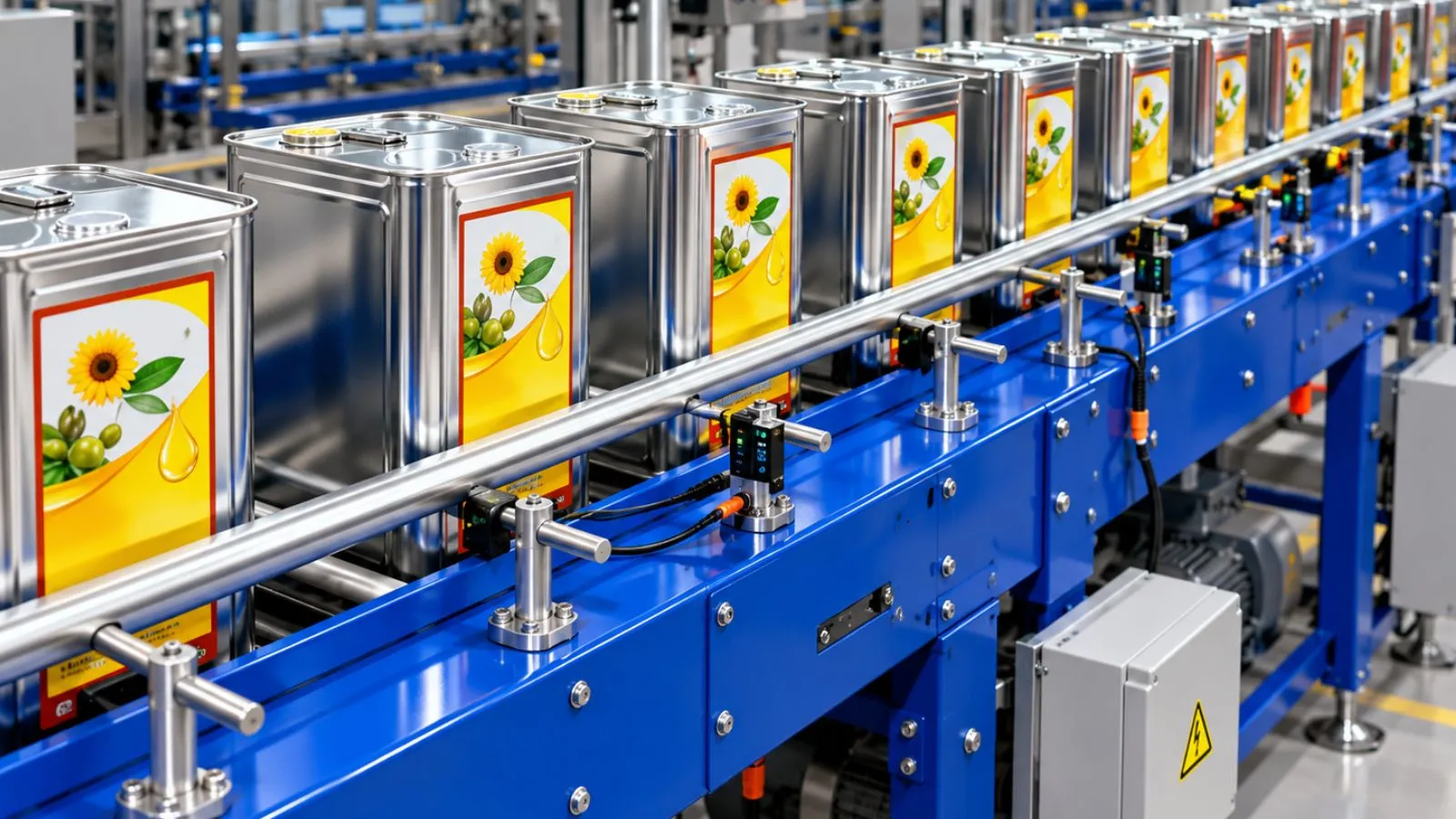
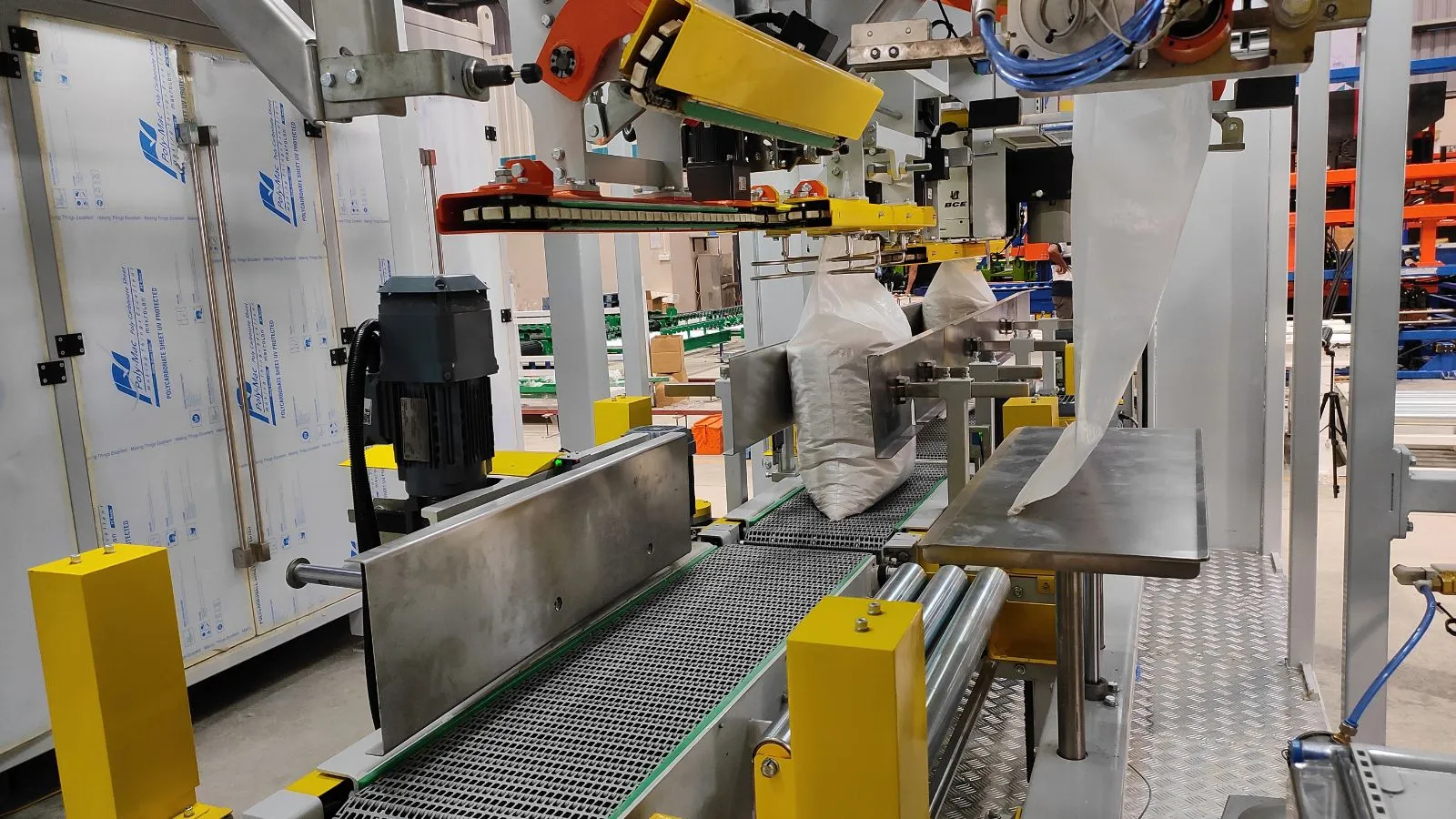
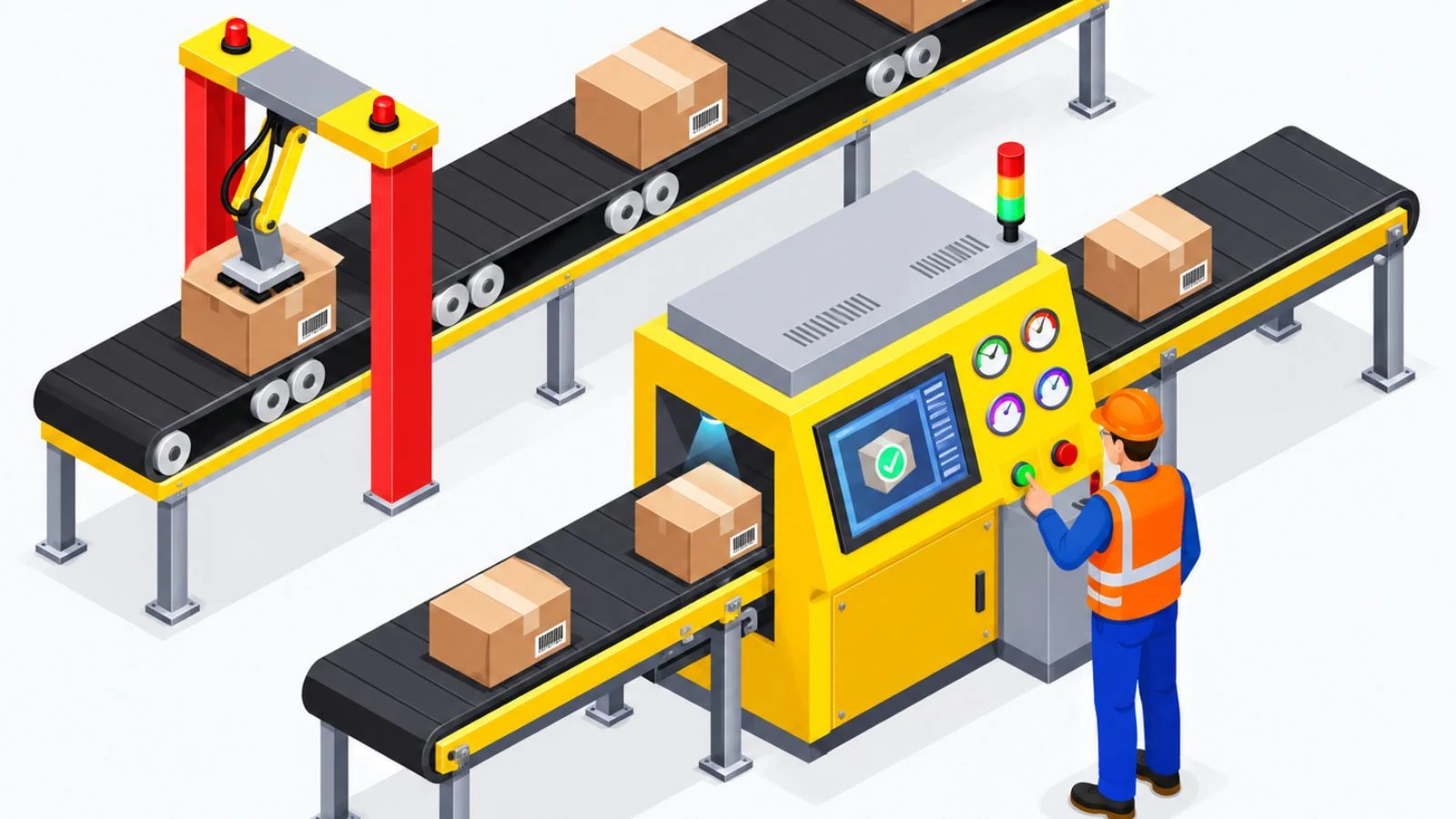
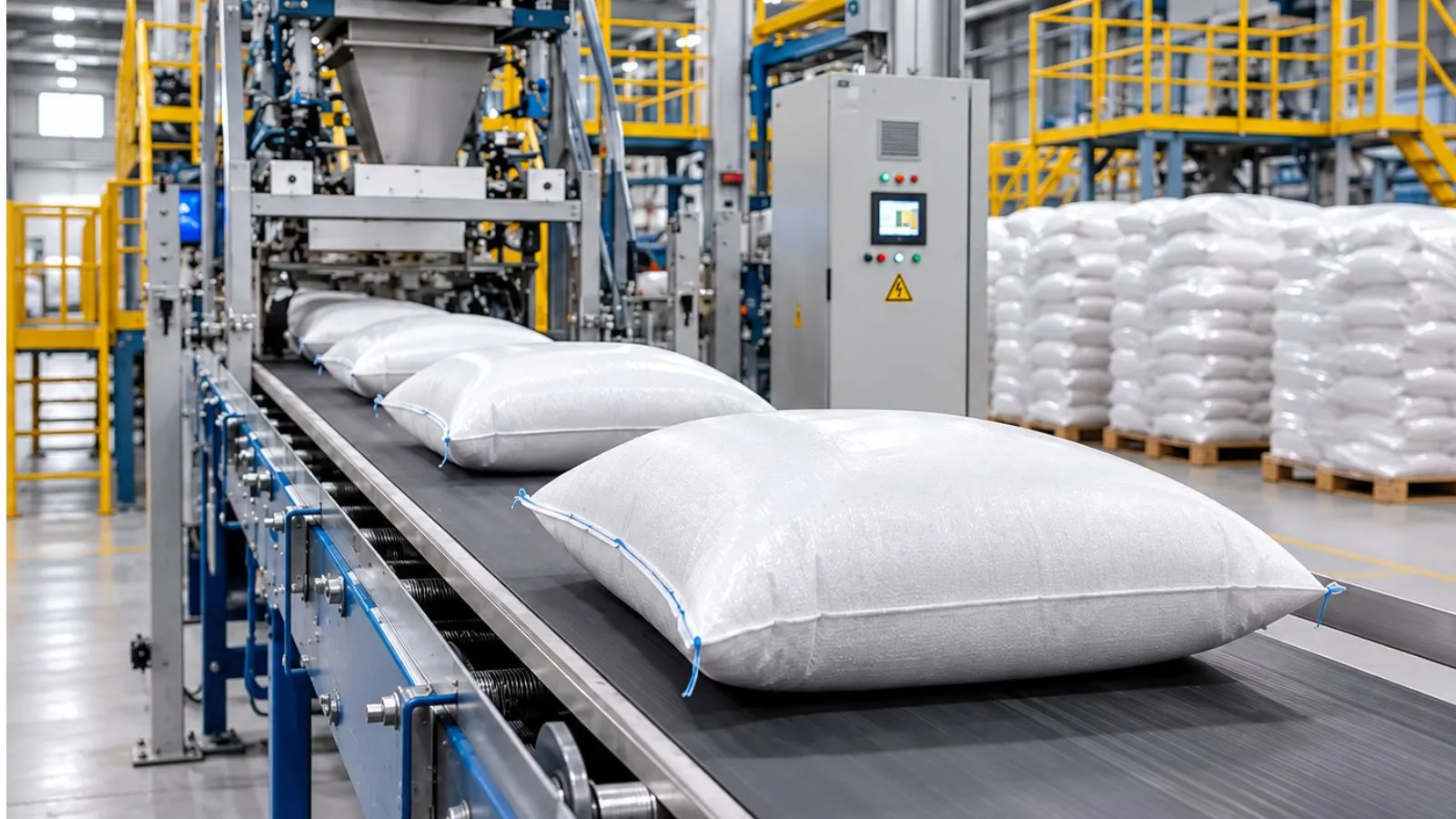
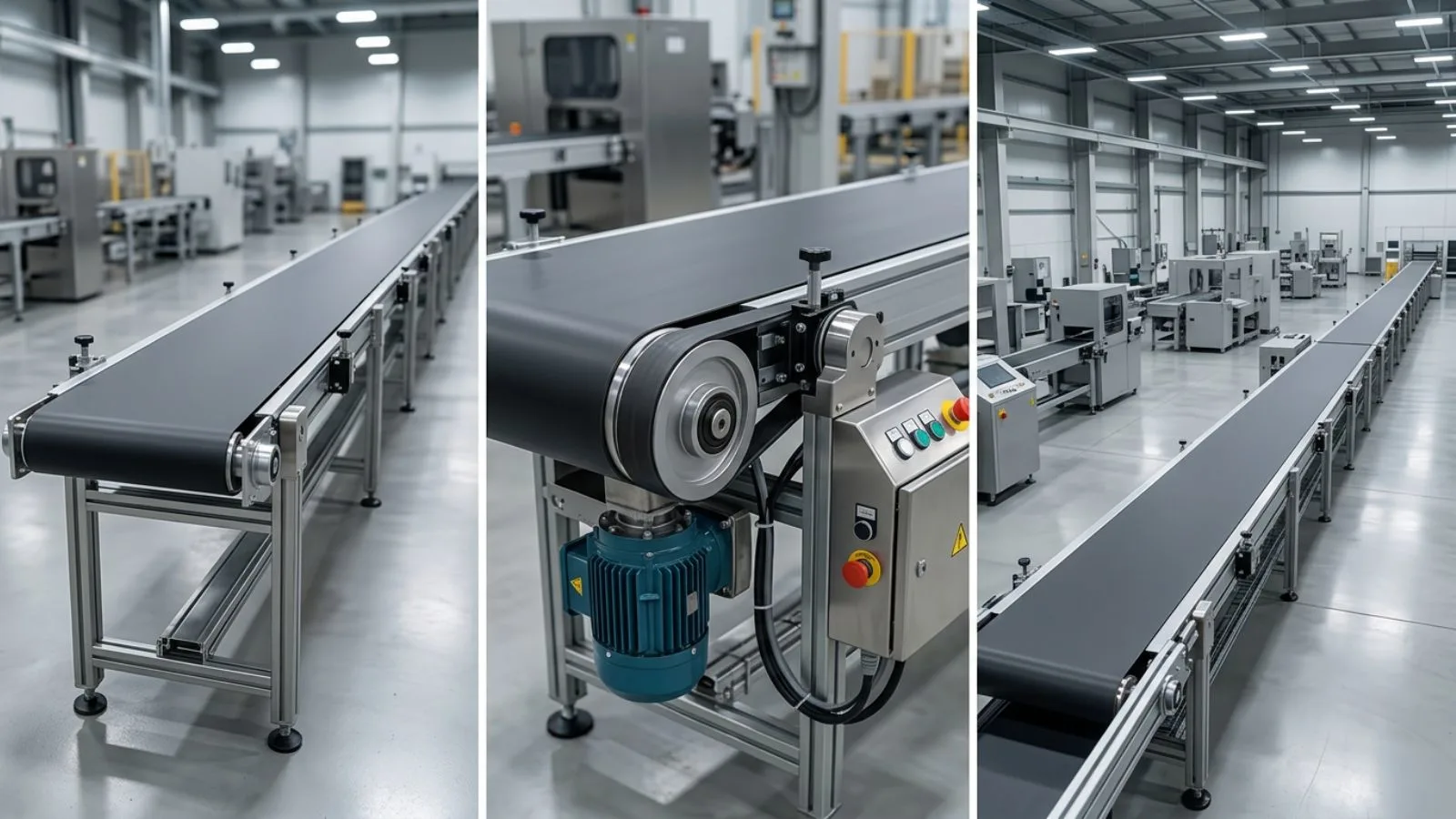
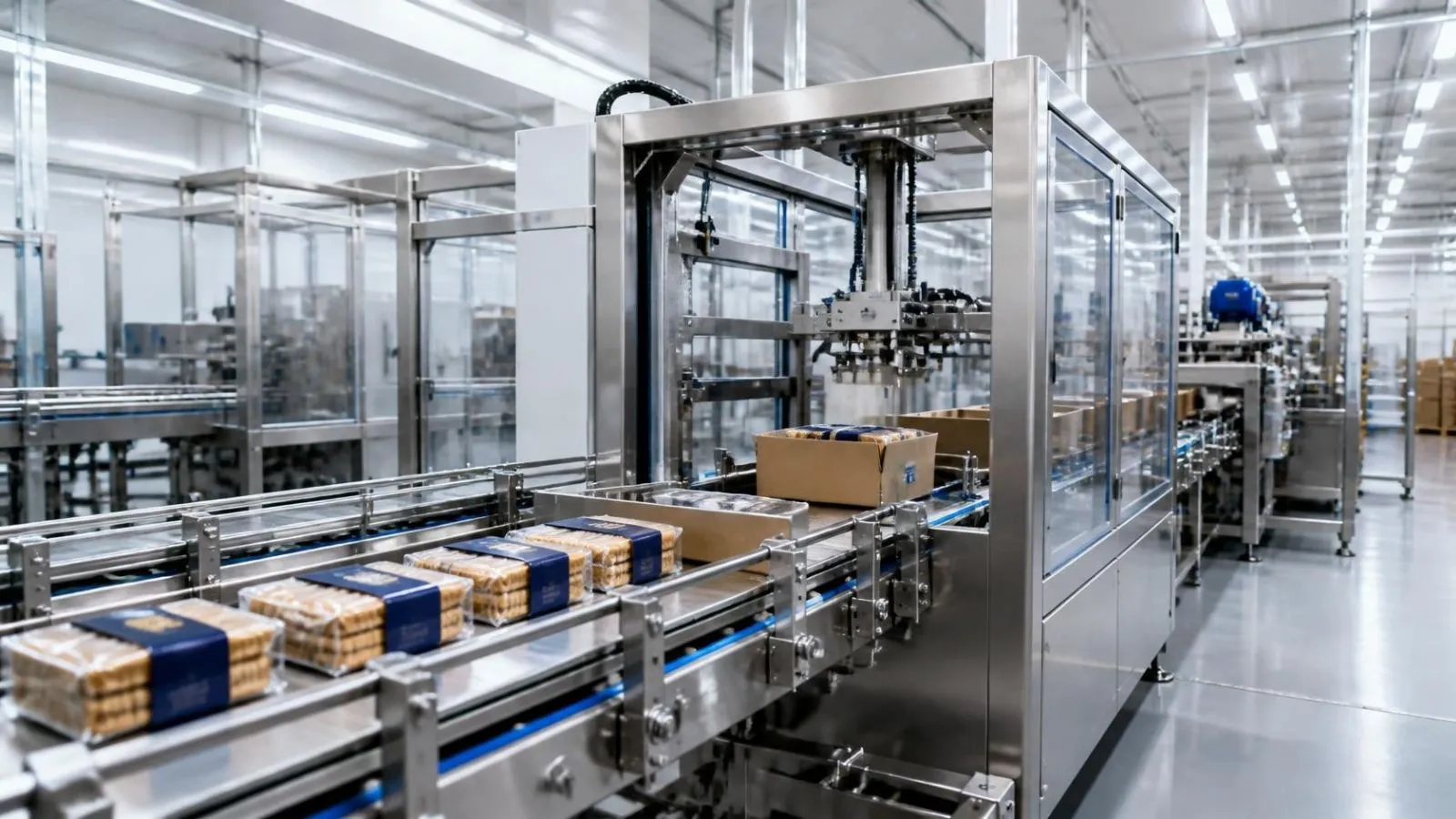
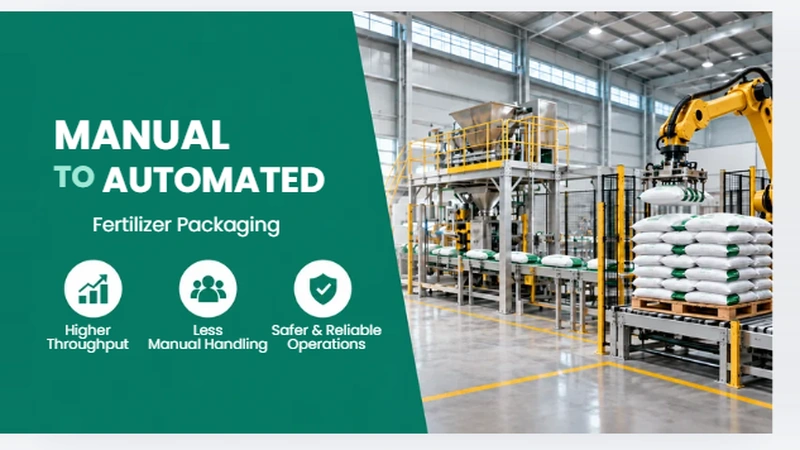
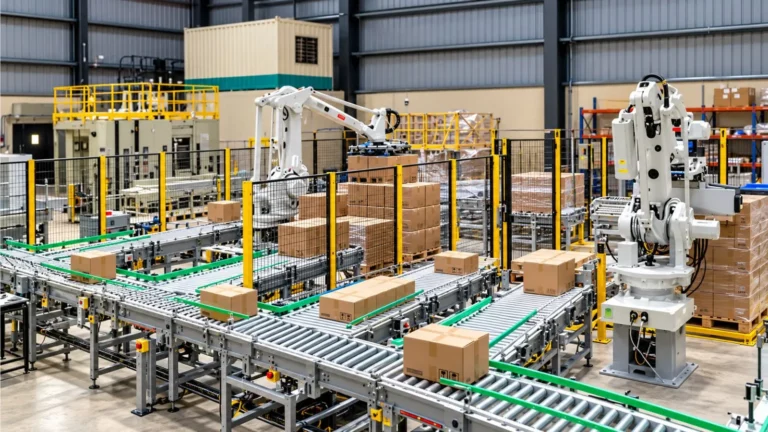
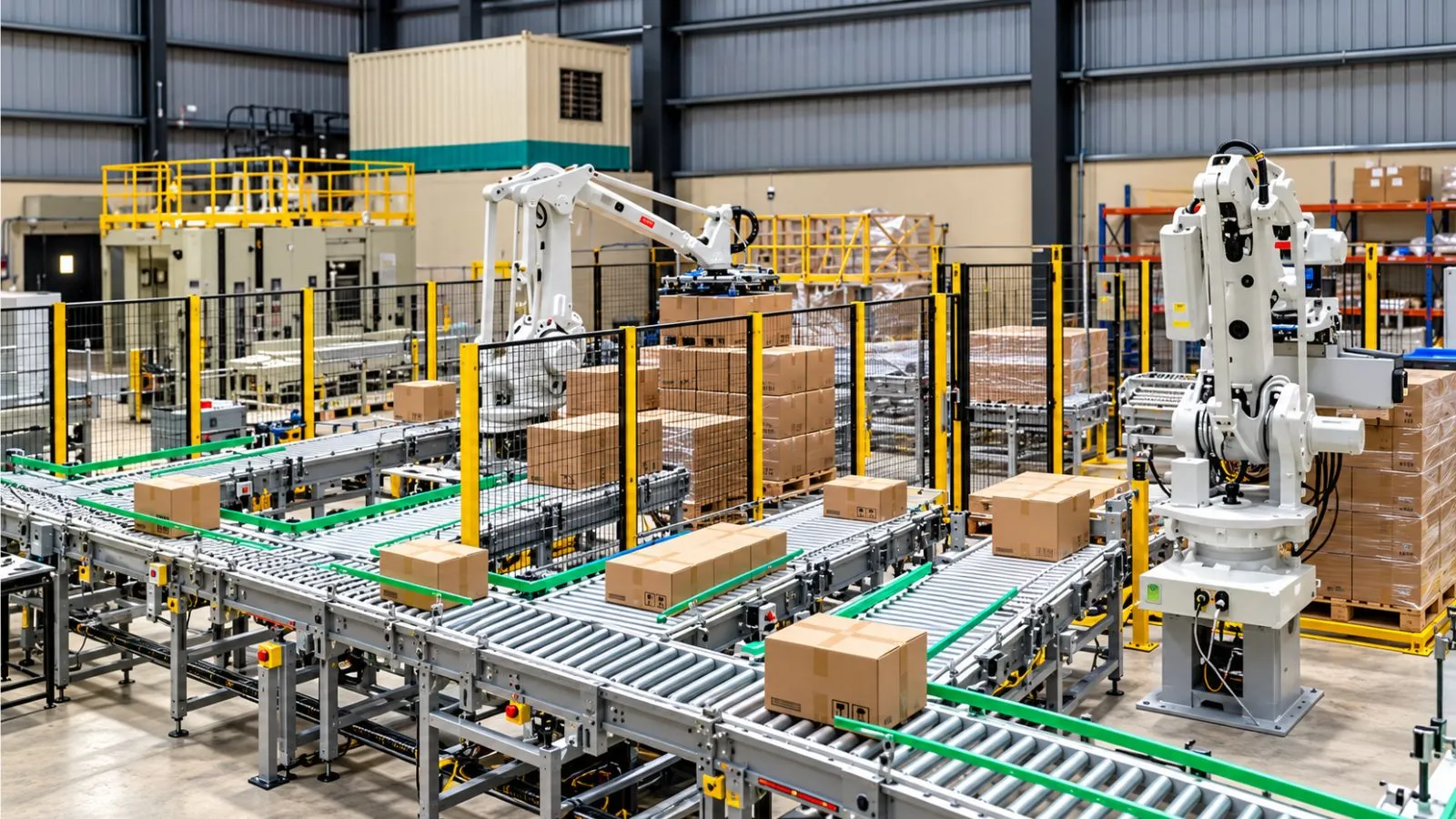
As we move through 2026, the manufacturing sector is experiencing an era of shrinking labor availability and rising supply chain costs. Packaging automation is reshaping end of line packaging operations by simplifying processes such as case packing, palletizing, labeling, and wrapping. Evolving from a competitive edge to operational necessity in modern manufacturing, Packaging automation is revolutionizing supply chain operations by integrating advanced robotics, automated case packers, palletizers, and smart wrap technology, modern facilities are removing final-stage bottlenecks to dramatically increase throughput, lower unit handling costs, and improve workplace safety. As we move through the high throughput competitive manufacturing landscape , packaging automation has become a strategic imperative as business spanning FMCG, pharmaceuticals, agro chemicals and many others are looking for ways to improve efficiency, reduce operational costs and maintain consistent product quality. As customer expectations continue to grow, the end of line packaging process significantly experiences operational bottlenecks and is difficult to sustain. And this is where exactly packaging automation has proved to be a game changing investment for manufacturers across diverse industries. Transitioning into full packaging automation by investing in automatic packaging machines and secondary packaging machines empowers manufacturing enterprises to improve their throughput by about 300% by streamlining production and ensuring speed, scalability and accuracy and achieving long-term labor cost optimization. We at Alligator Automations, have supported manufacturing enterprises across different industries by designing and manufacturing end of line packaging solutions since 2008. Our solutions are tailored to optimize every stage of the packaging process to transform manual processes into intelligent, reliable automated lines. This detailed guide discovers the key fundamentals of packaging automation technologies, its implementation and considerations, and future trends in packaging automation—tailored for decision-makers evaluating upgrades or new installations. What Is Packaging Automation? The term packaging automation refers to the application and integration of advanced and intelligent machinery, robotics systems, conveyors, sensors and software to automate primary, secondary, and tertiary packaging processes with minimal to zero human intervention. Rather relying on manual labor for tasks like to measure, count, group, bag, box, and palletize products, packaging automation encompasses automated systems to perform repetitive packaging tasks quickly and consistently. A complete packaging automation line may include: Product conveying systems Filling and dosing machines Labelling systems Cartoning machines Wrapping equipment Case packing systems Secondary packaging machines Palletising and depalletising solutions Automated inspection and quality control systems Modern manufacturing facilities are transitioning towards unified end of line automation by integrating PLCs, robotics, and IoT for real-time monitoring, precision, and adaptability, empowering them to achieve seamless workflows, handle multiple tasks simultaneously and guarantee consistent output quality while protecting profit margins. Why Packaging Automation Is Becoming Essential for B2B Operations: As the manufacturing environment continues to become more demanding with every passing day at the core of an efficient manufacturing line is a reliable automatic packaging machine. A packaging system that addresses difficulties and challenges while delivering substantial operational and financial advantages: Core Advantages of Modern Automatic Packaging Machines: Uninterrupted Operations (Maximum OEE): Automated packaging systems operate at a higher speed and accuracy repetitively when compared to manual labor. Unlike human team processes that require shift changes and breaks, automated packaging systems operate on a continuous loop at a higher speed maximizing Overall Equipment Effectiveness without compromising quality. It helps and supports manufacturing enterprises address challenges like labor shortages and improved employee safety at workplace and significant reduction in labor cost while reallocating staff to higher-value roles. Cost Reduction and Waste Minimization: Automated packaging systems integrate smart sensors and arrays to optimize material usage, precise filling/weighing, and reduced damage while packaging ensures every unit is compliant with strict regulations and quality requirements. Enhanced Workplace Safety and Hygiene: Automated packaging lines often involve heavy lifting tasks like stacking, sealing, and palletising which involves higher risk of workplace hazards especially when the manufacturing environments are volatile (e.g., ATEX-rated solutions for chemicals or petrochemicals). By shifting manual human intervention to automated systems helps businesses create safer working environments and eliminate workplace injuries. Mastering Secondary Packaging Machines: From Bag-in-Bag to Case Packing: One of the most critical links in automated packaging systems is your secondary packing machines. While the primary packaging contains the product directly, the secondary packing machines bundle the primary packaging into retail ready distribution units which are secure and ready to transport. Implementation of a secondary packaging unit plays a pivotal role in eliminating the hassle of manual grouping, baling, or cartoning. There are three key types of secondary packaging automation solutions. Refer to the table below to explore the main differences and solutions offered: Feature / Dimension Manual Packaging Semi-Automatic Secondary Packaging Machine Fully Automatic Secondary Packaging Machine Speed / Throughput Low (Limited by human capacity) Medium (15–40 primary units/min) High (Up to 150+ pouches/min infeed) Pouch Count Accuracy Prone to human error & miscounts High (assisted sensor verification) 99.9% Exact (Auto pouch counter + rejector) Floor Space Efficiency Large footprint for manual labor tables Moderate footprint Compact, vertically optimized footprint Labor Requirement High (5–12 workers per line) Low (1–2 supervisors per line) Minimal (1 central operator per zone) ERP & IoT Integration None (Manual logging) Basic batch tracking Real-time centralized data logging & cloud IoT An advanced secondary packaging machine helps manufacturers automate the process and ship high volumes of units while reducing handling time and increasing logistics efficiency. Check Alligator’s Secondary Packaging Solutions here. The Future of Packaging Automation: The future of packaging automation is driven by intelligent, sustainable and adaptive systems which lie at the intersection of artificial intelligence (AI) and goes far beyond basic mechanization. The automated packaging systems are becoming more smarter and advanced with every passing day by introduction of emerging technologies like artificial intelligence, machine vision, robotics, digital twins, and predictive analytics. As we pass through the year of 2026, automated packaging machines and secondary packing machines continue to evolve from purely mechanical lines to hyper connected networks that are supported by IoT and artificial intelligence that incorporates AI-driven predictive maintenance, real-time
Manufacturer of Automatic Packaging Machines: How to Choose the Right Partner for Long-Term ROI

Manufacturer of Automatic Packaging Machines: How to Choose the Right Partner for Long-Term ROI Choosing a manufacturer for Automatic Packaging Machines isn’t just a capex line item; it’s a multi-year commitment to uptime, throughput, and predictable cost of ownership. In mature plants, an hour of unplanned stoppage can wipe out the savings from a “cheap” machine several times over. Conversely, a well-engineered secondary-packaging solution, especially an automatic case packer integrated with conveyors, palletizing, and wrapping, can pay back within typical 6–24-month windows by stabilizing OEE, reducing damage, and shrinking changeover losses. Define the Secondary-Packaging Use Case First Focus on these five critical aspects to ensure the selected equipment meets your duty cycle, not just brochure speeds: Case Styles and Sizes: Document the full range of packaging you handle. Crucially, specify the board grade and the tolerance spread of the cardboard or plastic. SKU Mix and Changeover Cadence: Determine the operational tempo. How many different product recipes will run per shift? How many minutes can you realistically spare for changeover between those recipes? Line Rate (Cases/Min): Establish the sustained rate you absolutely need the system to maintain. This must be a realistic figure that accounts for necessary upstream and downstream buffers. Interfaces (Handshakes): Precisely map all system interfaces. This includes infeed accumulation, the logic connecting the case erector/closer, the palletizing cell, the stretch wrapper, and the final truck loading operation. A good automation partner will understand and speak this operational language, engineering a solution specifically to your duty cycle, not just quoting peak brochure speeds. Engineering for True Operational Efficiency A machine’s nameplate speed is irrelevant if availability and quality are erratic. Engineering for Overall Equipment Effectiveness (OEE) requires demanding proof in four critical areas: performance, changeovers, mechanical design, and controls. 1. Performance and Quality: Expect on Real Data Challenge potential OEMs to prove sustainable performance, and not just record high-speed runs, on data from equivalent SKUs and corrugate conditions (not showroom runs). Availability: Expect things like strong guarding, visible work envelopes, and quick Mean Time To Repair (MTTR), and choke points other than your team to do the diagnosing. Performance: Demand positive case control, collation synchronization, and intelligent reject logic that actively prevents minor faults from cascading into a jam. Quality: Ensure that the machine is delivering documented squareness and seal integrity. 2. Changeovers: Minutes Saved Are Hours Regained In high-mix processes, every minute saved on a changeover counts across shifts, directly contributing to productive time. Recipe Discipline: Use recipe-driven setups with interlocks that physically prevent the machine from running with a partial or incorrect change. Tool-Less Swaps: Design common guides for rapid, tool-less changes, utilizing features like quick pins, magnetic locks, and clear, repeatable scales on all adjustment axes. Digital Verification: Ensure the machine uses sensors to confirm position before restarting, protecting repeatability and preventing crashes. Note: Plants running 5–15 changeovers per shift can easily recover hundreds of productive hours per year when mechanical and control designs prioritize repeatability. 3. Mechanical Design That Survives the Secondary Environment Secondary packaging throws harsh, real-world debris at equipment: corrugate fines, tape slivers, imperfect blanks, and off-spec packs. Structural Integrity: Specify rigid frames and low-deflection transfers to reliably keep cases square under load. Optimal Actuation: Use servos where precision and speed pay the highest dividends; use pneumatics where they make sense, but demand declared air consumption figures. Component Matching: Align drive options (e.g., chains vs. belts) to the anticipated debris levels and load patterns. Service Access: Design the guards and access points for cleaning and inspection to efficiently expedite cleaning and inspection procedures 4. Controls Your Maintenance Team Can Live With Your maintenance team inherits the code. Controls must be designed to protect MTTR and eliminate the need for expert-only interventions. Plant-Wide Standards: Specify open PLC/HMI standards (like EtherNet/IP or PROFINET) that are aligned with your existing plant infrastructure. Straightforward Diagnostics: Require clear event logs, guided fault recovery procedures, and on-HMI checklists or videos for rapid troubleshooting. Data Hooks: Include simple, open data connections (OPC UA/MQTT) to reliably feed real-time information into your OEE and downtime tracking systems. Why Choose Alligator Automations for Secondary Packaging? One partner, one line: We design and deliver coherent secondary-packaging systems around automatic case packers, matched with intralogistic conveyors, depalletizers, robotic palletizers, stretch wrappers, and automatic truck loading. Everything speaks the same control language. Cost-effective without compromising on quality: Global-standard engineering with an optimized cost-to-performance ratio for dependable payback. OEE-first design: Recipe-driven changeovers, rigid case handling, and clean data connectivity to your OEE stack. Supported by lifetime post-installation assistance: True throughout-life service that maintains the ROI calculation into year five, not just month five. Conclusion Selecting the right Automatic Packaging Machines manufacturer comes down to fit, OEE discipline, changeover mechanics, open controls, and verifiable service. When those pieces align, the numbers follow: lower scrap and handling damage, steadier throughput, fewer stoppages, and a payback window that holds up under real production pressure. Are you looking for a new automatic case packer or re-platforming your secondary line? Send us your SKU matrix, case styles, and target rate, and we’ll map together an integration plan and five-year TCO for your particular plant. Contact us now. FAQs 1) Why is it important to choose the right manufacturer for automatic packaging machines? Because your five-year costs are driven by uptime, changeovers, parts, and service responsiveness, not just the purchase price. The right partner designs for your products and integrates cleanly with the rest of your line. 2) What is the relationship between automatic packaging machines and ROI? They enhance case quality, reduce manual handling, stabilize throughput, and reduce changeover time to enhance OEE and protect margins over time. 3) What is the difference between low-cost machines and long-term ROI-driven solutions? Often, low quotes do not consider wear-part consumption, air/energy usage, and reasonable losses for changeover. Solutions built for ROI will have TCO included, test-proven performance materials, and be upheld with a credible service SLA. 4) How do warranties and service contracts affect ROI? Having greater coverage and a