
How Robotics are Transforming Palletizing Systems in Manufacturing
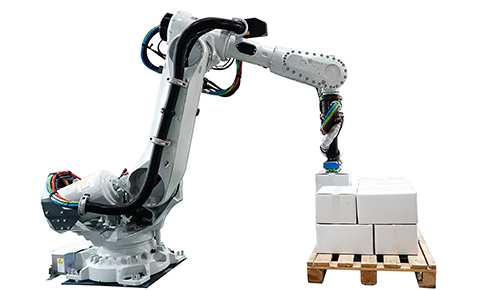
How Robotics are Transforming Palletizing Systems in Manufacturing The use of robotic palletizing systems is reforming the manufacturing industry. While traditional palletizing relied heavily on manual labor, making it repetitive and ergonomically risky, robotic palletizers have brought about significant improvements in efficiency, productivity, and workplace safety. Automated palletizing solutions help businesses address labor shortages, boost efficiency, and ensure safer operations. Benefits of Robotic Palletizing: Speed and Precision – Robotic palletizing systems ensure faster and more accurate stacking. They ensure uniform stacking patterns, reducing errors and enhancing the quality of stacked goods. High-speed robotic palletizers are capable of handling multiple product types simultaneously, making them ideal for high-demand environments. Flexibility and Adaptability – Modern robotic palletizers can manage various packaging formats, sizes, SKUs, and payloads. Features like adaptive grippers and vision systems minimize the need for moulds or manual adjustments, reducing downtime and improving overall efficiency. Improved Safety and Ergonomics – Robots eliminate the need for manual labor in hazardous palletizing tasks, protecting workers from injuries and ensuring safer operations. These systems also support ergonomic improvements, promoting better occupational health. Cost Efficiency – The integration of robotics reduces reliance on manual labor, leading to significant cost savings. The benefits of robotic palletizing also include minimized product damage, optimized space usage, and error reduction, which translate to enhanced operational profitability. Features of Advanced Palletizing Systems: Alligator Automations’ palletizing systems come with advanced features like: Easy Programming: Seamless transitions between different products. Slip Sheet Automation: Adds stability and weight to stacks. ERP Integration: Full compatibility with plant management systems. IoT Connectivity: Real-time monitoring and control of activities. Flexible Stacking: Enables complex and customized stacking designs. Types of Palletizing Systems by Alligator Automations: Robotic Palletizing: High-speed, precise handling in various layouts. Gantry Palletizing: Multi-axis systems for accurate stacking. High-Level Palletizing: Reliable vertical stacking solutions. Low-Level Palletizing: Efficient infeed and orientation processes. Hybrid Palletizing: Combines robotic precision with speed and compact design Why Manufacturers Are Switching to Robotic Palletizing: Reduced Labor Costs: Automation handles repetitive tasks, lowering dependence on manual labor. Operational Efficiency: Faster cycle times improve output and productivity. Improved Hygiene: Robots maintain higher sanitation levels. Error Reduction: Smart systems minimize stacking mistakes, ensuring consistent quality. Why Choose Alligator Automations for Palletizing Systems? As a leader in advanced palletizing systems, Alligator Automations offers cutting-edge solutions tailored for high performance and flexibility. Our solutions — including high-speed robotic palletizers and hybrid systems — transform the way products are packed, stacked, stored, and shipped. Conclusion Robotic palletizing systems are no longer optional—it’s essential for manufacturers aiming to stay competitive. Alligator Automations provides customized solutions to improve productivity, safety, and cost efficiency. Whether you need robotic palletizers, gantry, or hybrid palletizing systems, Alligator Automations ensures your operations achieve unmatched flexibility and performance. Future-proof your packaging with Alligator Automations! Transform your processes and boost efficiency today! FAQs How do robotic palletizers work in manufacturing? Robotic palletizers use advanced programming, vision systems, and adaptive grippers to stack products like boxes and bags onto pallets with precision and speed. What are the benefits of using robotics in palletizing systems? Robotics in palletizing systems improve efficiency, reduce labor costs, enhance safety, minimize errors, and handle complex stacking patterns. Alligator Automations offers tailored solutions for these benefits. Can robotic palletizers handle different types of products? Yes, robotic palletizers handle diverse products like bags, drums, and shrink packs using adaptive tooling and advanced controls. What role does AI play in robotic palletizing? AI enables robotic palletizers to optimize stacking patterns, adapt to product variations, and ensure seamless integration with ERP systems. Alligator Automations incorporates AI for smarter palletizing operations.
Why Palletizing Systems are Essential for Large-Scale Production
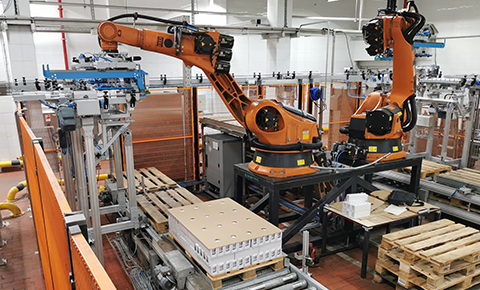
Why Palletizing Systems are Essential for Large-Scale Production In large-scale production, efficiency is everything and the ultimate goal is to reduce time and maximize output at every production stage. Here, palletizing systems play a vital role, giving companies a headway to optimize their processes and stay competitive. What Are Palletizing Systems? Palletizing systems automate stacking items – like boxes, bags, or drums – onto pallets for secure shipping and storage. Once a manual, labour-heavy task, modern pallet handling systems are fully automated systems that increase safety and precision, reducing the risk of injury and ensuring a smoother workflow. Benefits of Palletizing Systems for Large-Scale Production Alligator Automations, the leading provider of palletizing solutions, offers a range of innovative systems designed to meet the specific needs of large-scale production facilities. Here’s why integrating palletizing systems into your operation is a wise decision: Increased Productivity: Automated palletizing solutions are much faster and more efficient than manual processes, boosting production rates and scalability. Lower Labor Costs: Automation reduces dependency on large labour teams, requiring only a few skilled operators for oversight. Higher Safety Levels: Palletizing robots minimize the risks of heavy lifting, reducing strain injuries and ensuring a safer workspace. Enhanced Accuracy and Consistency: Integrated robotics and vision systems provide precise placement, secure stacking, and easier transport. Space Optimization: Our usage of industrial palletizing technology arranges pallets for ideal shelf positioning, maximizing storage space. Improved Hygiene: In industries like food and pharmaceuticals, palletizing solutions eliminate human contact, supporting high hygiene standards. Core Functions of Palletizing Systems Alligator Automations offers specialised palletizing systems designed to accommodate a wide range of products and their configurations. Our systems handle items like paint buckets, drums, and shrink packs using palletizing robots, adaptive grippers, and integrated vision systems for precise product handling. We also include robotic palletizers capable of complex stack patterns thus allowing for different pallet configurations improving packing density and stack strength. Palletizing Systems provided by Alligator Automations Robotic Palletizing: Ideal for high production needs, robotic palletizers offer flexibility for handling various products with minimal adjustments. Gantry Palletizing: Designed for heavy-duty applications, gantry systems can accurately place large items across expansive areas. High-Level Palletizing: Built for deep stacking, these robust systems maximize vertical space efficiently. Low-Level Palletizing: Suitable for lower-capacity lines, these systems organize items neatly as they move along the infeed conveyor. Hybrid Palletizing: Combining robotic and high-level features, hybrid systems deliver both precision and high-speed stacking. Use of Palletizing Systems: Palletizing systems offer a versatile solution across a wide range of industries: Beverage Manufacturing: From stacking bottles and cans to palletizing kegs, automated systems ensure efficient palletizing in the beverage industry. Consumer Goods: Whether it’s packaging household items, electronics, or toys, palletizing robots can handle a variety of product types quickly and efficiently. Agriculture: Palletizing helps streamline bulk packaging of crops, seeds, and farming supplies, reducing manual handling and supporting safe transport. Chemicals & Fertilizers: In this industry, palletizing is critical for safely managing hazardous and bulky products, ensuring safe, stable stacking of chemicals and fertilizers. Oil & Paints: Palletizing solutions accommodate various container types, improving safety, organization, and efficiency in stacking oil drums and paint cans. Alligator Automations: Your Partner in Palletizing Solutions Alligator Automations provides a comprehensive range of palletizing solutions, including robotic palletizers, gantry palletizers, low level palletizers, high-level palletizers and hybrid palletizers. We utilize cutting-edge technology like vision systems, adaptive grippers, and advanced programming to offer exceptional flexibility and fast cycle times. Our systems are designed to handle various product types, sizes, and configurations. Additionally, they offer features like automatic slip sheet placement, seamless data integration, and an IoT-enabled platform for real-time monitoring and improved reporting. Contact Alligator Automations today to discuss your specific needs and discover how our innovative palletizing solutions can transform your production line. FAQs 1] Why are palletizing systems essential for large-scale production?They increase efficiency by automating stacking processes, reducing labour costs, and ensuring consistency in product handling. 2] How do palletizing systems improve production efficiency?By speeding up stacking, minimizing errors, and reducing manual labour, palletizing systems from Alligator Automations enhance throughput and lower operational costs. 3] What industries benefit the most from palletizing systems?Industries like food, beverages, consumer goods, agriculture, chemicals & fertilizers, and oil & paints benefit greatly from palletizing systems due to improved safety and productivity. 4] What types of palletizing systems are available?Options include robotic, gantry, high-level, low-level, and hybrid systems, each offering unique benefits for various production needs.